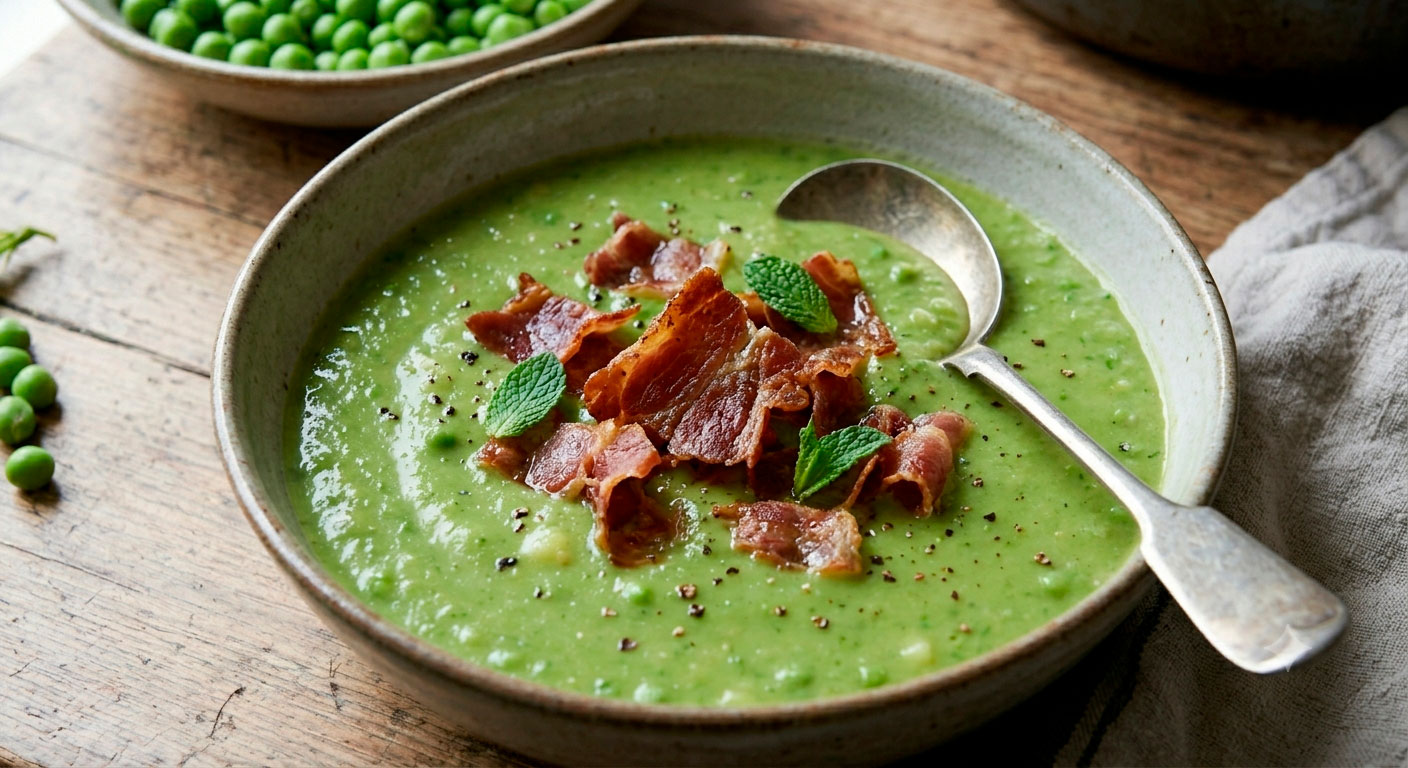
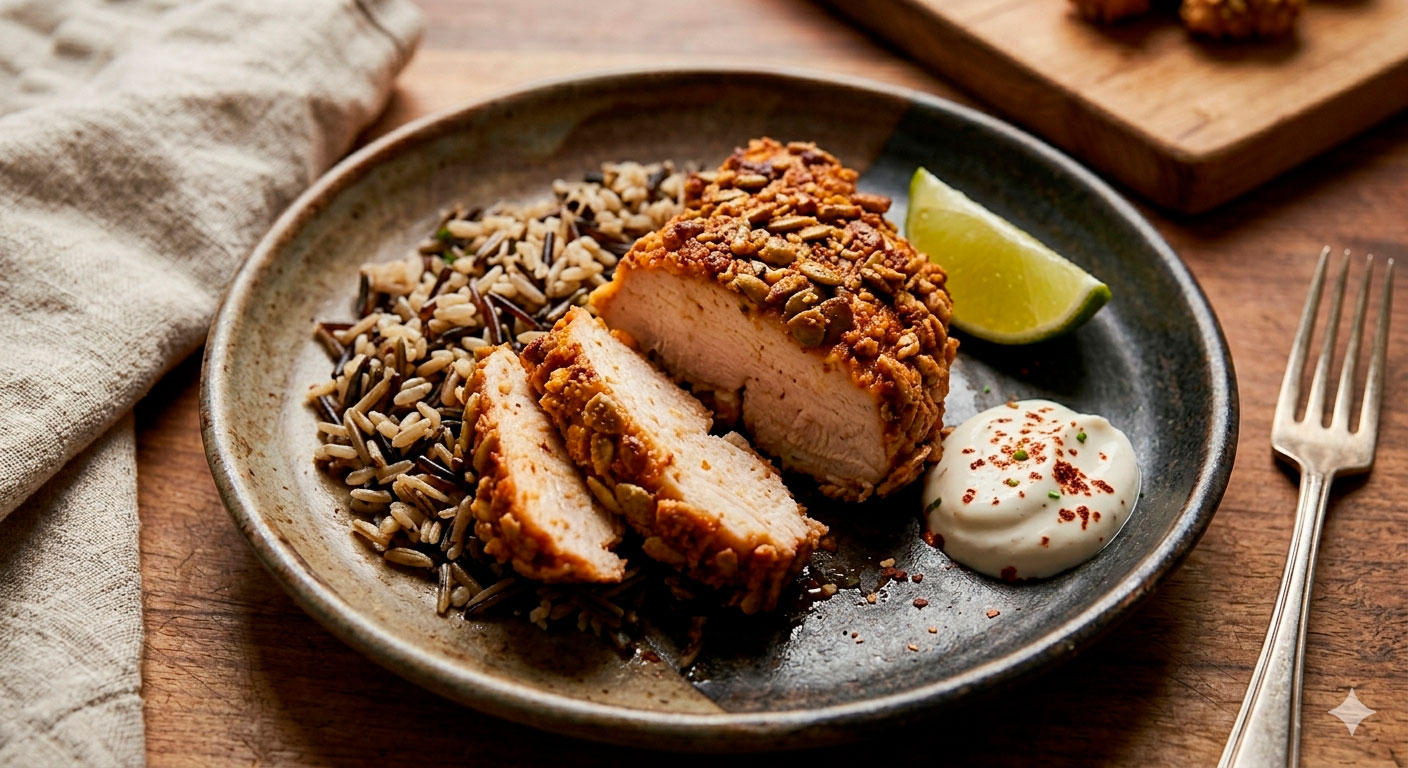
Smoked paprika and cider pork stew: irresistible recipe in 5 steps
What is smoked paprika and cider pork stew and why should you prepare it at home?
Smoked paprika and cider pork stew is one of those culinary gems that transforms humble ingredients into a feast worthy of any family celebration. This preparation is a tribute to comforting cuisine, where the slow braising technique allows the pork to absorb the smoky complexity of paprika and the fruity acidity of natural cider. The result is a stew with character: deep, glossy, and full of nuances.
The magic happens inside the pot during slow cooking. While the pork becomes tender enough to fall apart with a simple fork, the natural sugars in the cider caramelize forming a rich, vibrant sauce with a deep reddish-orange color thanks to the paprika. It’s a dish that evokes the rustic kitchens of Asturias, the Basque Country, and Northern Europe, but with a modern touch that balances smoky flavors with sweet and acidic notes.
The origin of pork stew is millennia old. The braising technique—searing meat in fat and then stewing it in aromatic liquid covered—was popularized in medieval Spain as a way to make use of inexpensive cuts of meat and create flavorful dishes with little fire. Smoked paprika, also known as Pimentón de la Vera, arrived in Spanish cuisine thanks to monks at the monastery of Yuste in Extremadura, who began drying peppers over oak smoke starting in the 16th century. Today it’s one of the most representative seasonings of Iberian gastronomy.
Cider as a cooking ingredient has roots in Asturian and Norman (France) tradition. It substitutes for white wine, providing lighter acidity, a hint of apple fruitiness, and natural sweetness that counterbalances the intensity of paprika. This combination makes the smoked paprika pork stew a sophisticated dish without needing expensive ingredients or complicated techniques.
In this smoked paprika pork stew recipe, you’ll learn to master the Maillard reaction to properly sear the meat, build a deep base sofrito with onion, carrot, and garlic, deglaze with cider to take advantage of every bit of flavor from the pot bottom, and naturally thicken the sauce using broken potatoes. You don’t need special equipment: just a good heavy-bottomed pot and patience.
This pork and cider stew is the ideal dish for winter or autumn Sundays, for family gatherings where you don’t want to be stuck by the stove while guests arrive, and for any occasion when you need a dish that impresses without requiring an entire day in the kitchen. It can be prepared in advance—in fact, it tastes better the next day—and holds up perfectly in the refrigerator for several days.
Choosing the right cut of pork is key. The shoulder, also called lean, picnic shoulder, or Boston Butt depending on the region, has the exact amount of intramuscular fat needed for prolonged cooking to produce collagen, which gives the sauce that characteristic gelatinous and silky texture of good stew. A pork loin or fillet, being too lean, would dry out and be a poor choice for this recipe.
If you’re looking for a braised pork with paprika recipe that combines tradition, technique, and flavor without unnecessary complications, this cider pork stew is exactly what you need. Follow the 5 steps below and enjoy one of the most celebrated dishes of Spanish cuisine from the comfort of your home.
Ingredients for smoked paprika and cider pork stew
Quantities for 4–6 generous servings.
Main ingredients
- 1.2 kg pork shoulder (lean, picnic shoulder, or Boston Butt)
- 2 large onions
- 3 medium carrots
- 4 cloves garlic
- 500 ml natural dry cider (not sweet, not sparkling)
- 250 ml beef broth
- 500 g floury potatoes
Seasonings and optional
- 2 heaped tablespoons smoked paprika from La Vera
- 2 tablespoons wheat flour (or cornstarch for gluten-free)
- 3 tablespoons extra virgin olive oil (EVOO)
- 2 bay leaves
- Coarse salt and freshly ground black pepper to taste
- Chopped fresh parsley for garnish (optional)
How to prepare smoked paprika and cider pork stew step by step
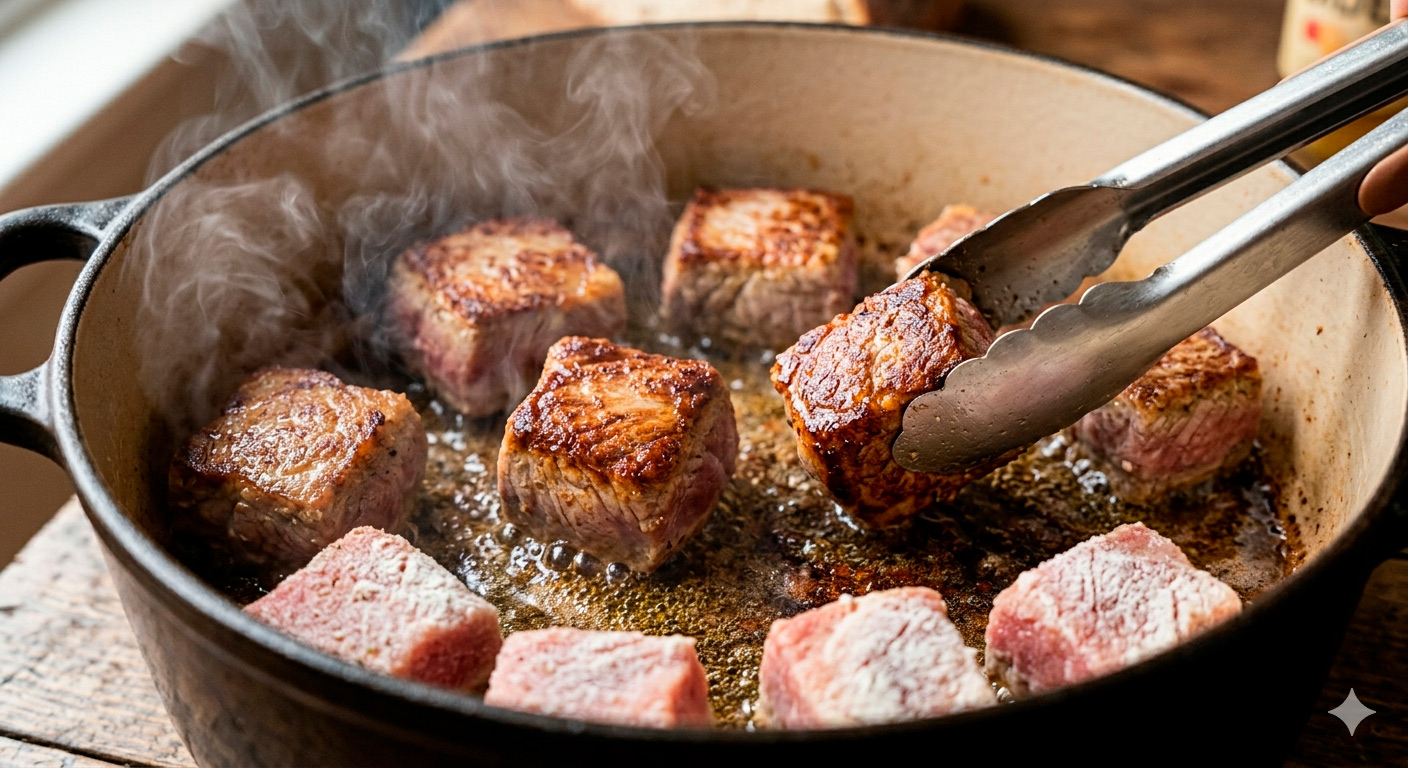
- Searing the meat (Maillard Reaction): Cut the pork shoulder into uniform cubes of approximately 4×4 cm. Generously season with salt and pepper on all sides. Lightly dredge in wheat flour, shaking off excess. Heat olive oil in a heavy-bottomed pot (ideally cast iron or thick stainless steel) over high heat. When the oil is hot but not smoking, add the pork cubes in a single batch without overcrowding. Brown on all sides for 8 to 10 minutes total until you get a golden, crispy crust. Remove the meat and set aside. This step is fundamental: the golden crust that forms is the Maillard reaction, responsible for the deep “grilled meat” flavor that distinguishes a good stew from a mediocre one.
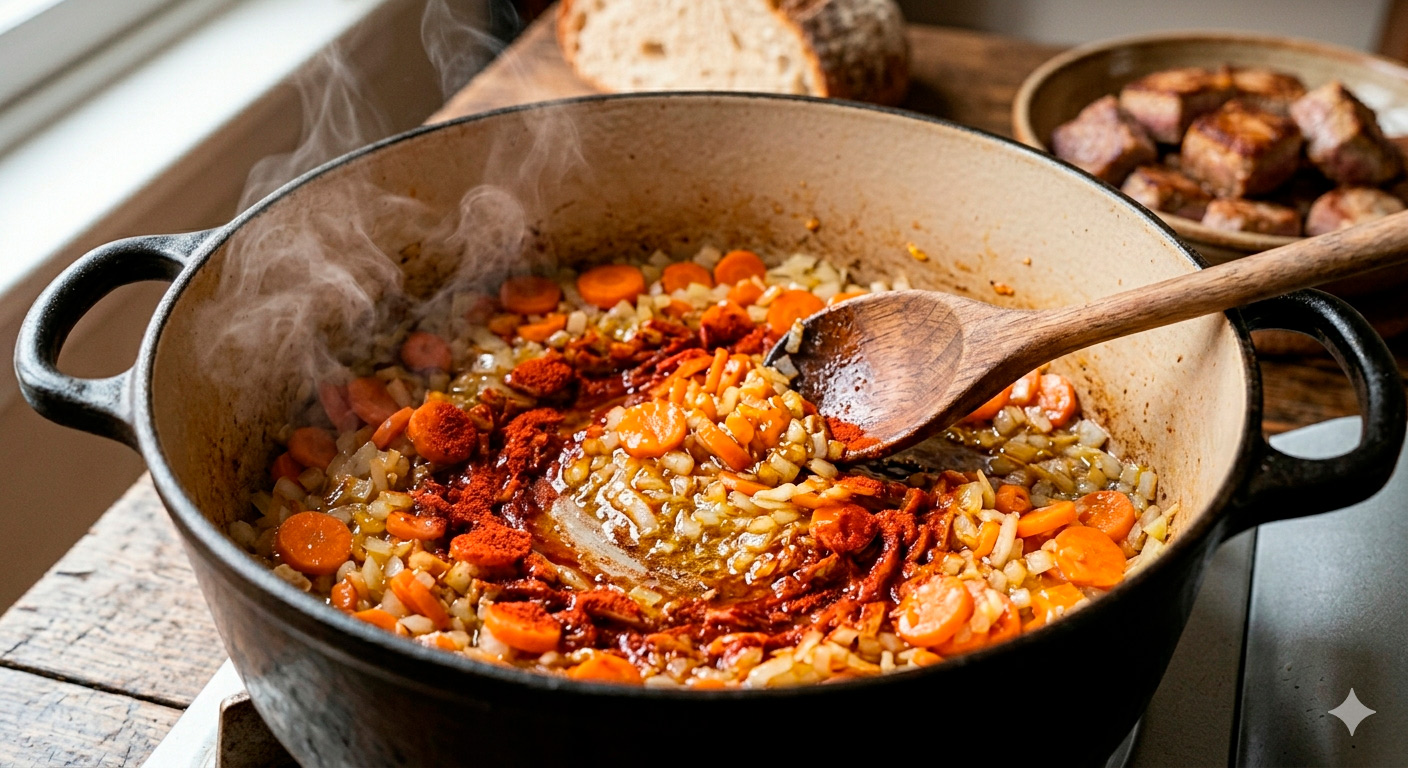
- Building the base sofrito: Without cleaning the pot—the fat with the caramelized juices from the pork is liquid gold—reduce heat to medium. Add the onion chopped into brunoise (small cubes) and carrot sliced thinly or coarsely grated. Cook for 8 to 10 minutes, stirring occasionally, until the onion is completely translucent and soft. Add finely minced garlic and cook 1 minute more without letting it brown. At this moment, add the two tablespoons of smoked paprika and stir constantly for exactly 30 seconds. Paprika burns easily; if it burns, it will bitter the entire dish. The key is quick movement and removing from heat if necessary.
- Deglazing with natural cider: With the sofrito still on the heat (return to medium-high), pour the natural cider all at once. With a wooden spoon or spatula, vigorously scrape the bottom of the pot to release all the caramelized juices stuck to it. This process is called deglazing and concentrates much of the final stew’s flavor. Let the liquid boil over high heat for 3 to 5 minutes to allow the alcohol from the cider to evaporate completely. You’ll know it’s ready when the sharp smell of alcohol disappears and the sweet fruity aroma of apple remains.
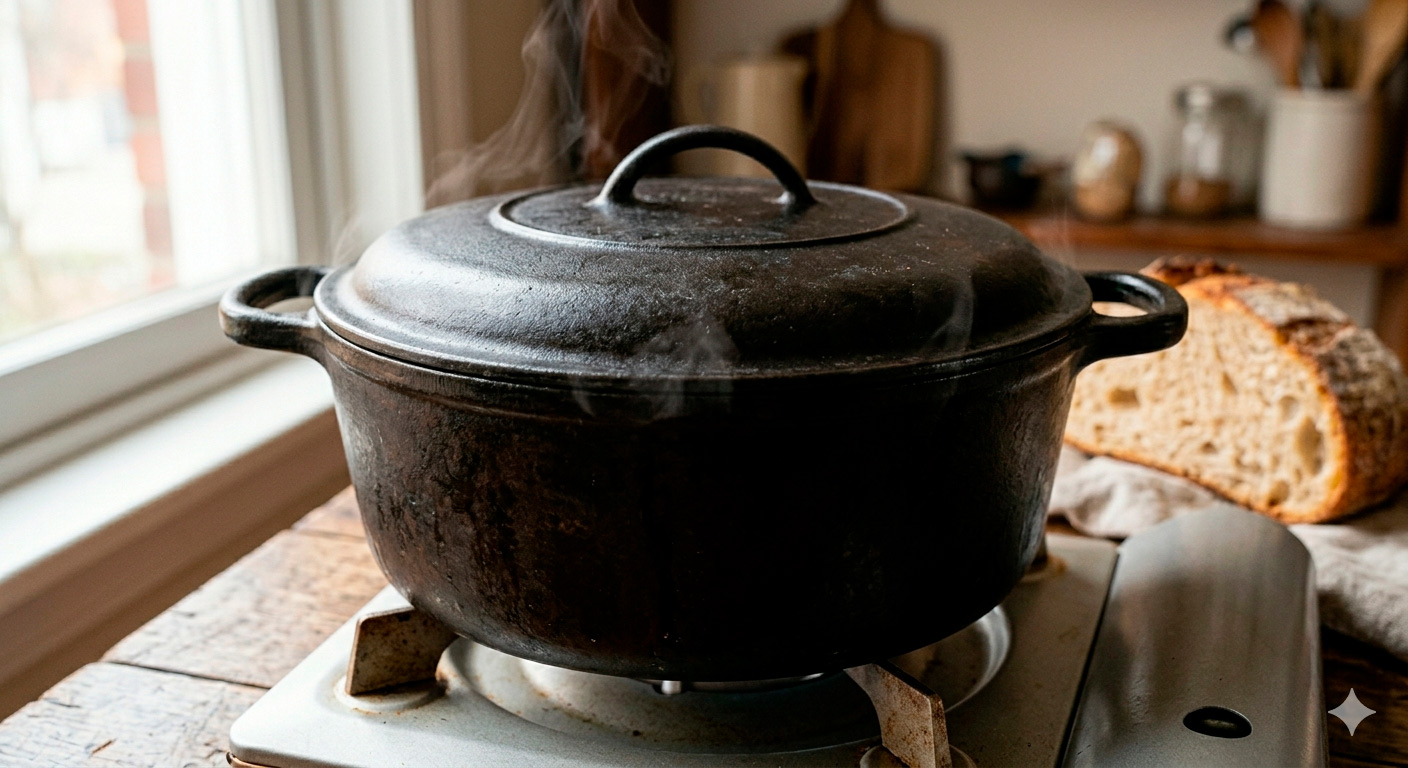
- Slow cooking with broth and potatoes: Return the seared pork cubes to the pot. Pour in the beef broth and add the bay leaves. The liquid should cover the meat almost completely; if short, add a bit more broth or hot water. Cover the pot, reduce heat to the lowest possible setting and let it cook for 60 to 70 minutes. After 35 minutes of cooking, uncover the pot and add the broken potatoes: make a small cut with a knife and then tear with your hands to break them into irregular pieces. This technique releases more starch than cleanly cutting them, naturally thickening the sauce without needing extra cornstarch. Cover and finish cooking.
- Resting, adjusting, and serving: Pierce the meat with a fork: if it falls apart without resistance, the stew is ready. Taste and adjust seasoning. If the sauce seems too liquid, increase heat and cook uncovered for 5 to 10 minutes more, or mash one of the potato pieces in the pot to thicken with released starch. Turn off heat and let the pot rest covered for 10 minutes before serving. This resting period is key: juices redistribute within the meat and the sauce gains shine and body. Serve hot, directly from the pot to plates, with good rustic bread.
Nutritional information for smoked paprika and cider pork stew
Approximate values per serving (based on 5 total servings).
| Nutrient | Per serving | % Daily Value* |
|---|---|---|
| Calories | 450 kcal | — |
| Protein | 32 g | 64% |
| Carbohydrates | 25 g | 9% |
| Total fats | 18 g | 23% |
| Dietary fiber | 4 g | 14% |
| Sodium | 480 mg | 21% |
| Iron | 3.2 mg | 18% |
| Vitamin A | 320 µg RAE | 36% |
*Percentage based on a reference diet of 2,000 kcal daily.
Nutritional benefits of smoked paprika and cider pork stew
Pork shoulder is an excellent source of complete high-quality protein, providing all essential amino acids necessary for muscle repair and immune system function. It’s also rich in heme iron (easily absorbed) and zinc, two critical minerals for energy and cellular health.
Smoked paprika contains capsanthin and capsorubin, two carotenoids with potent antioxidant activity that help neutralize free radicals. It’s also a source of vitamin A and vitamin E, both fat-soluble and essential for eye health and the immune system.
Carrots provide beta-carotene, precursor to vitamin A, while potatoes are a source of complex carbohydrates that provide sustained energy without abrupt glycemic spikes. Together, smoked paprika pork stew is nutritionally complete: protein, carbohydrates, healthy fats, and a good dose of fiber and micronutrients.
Tips for preparing perfect smoked paprika and cider pork stew
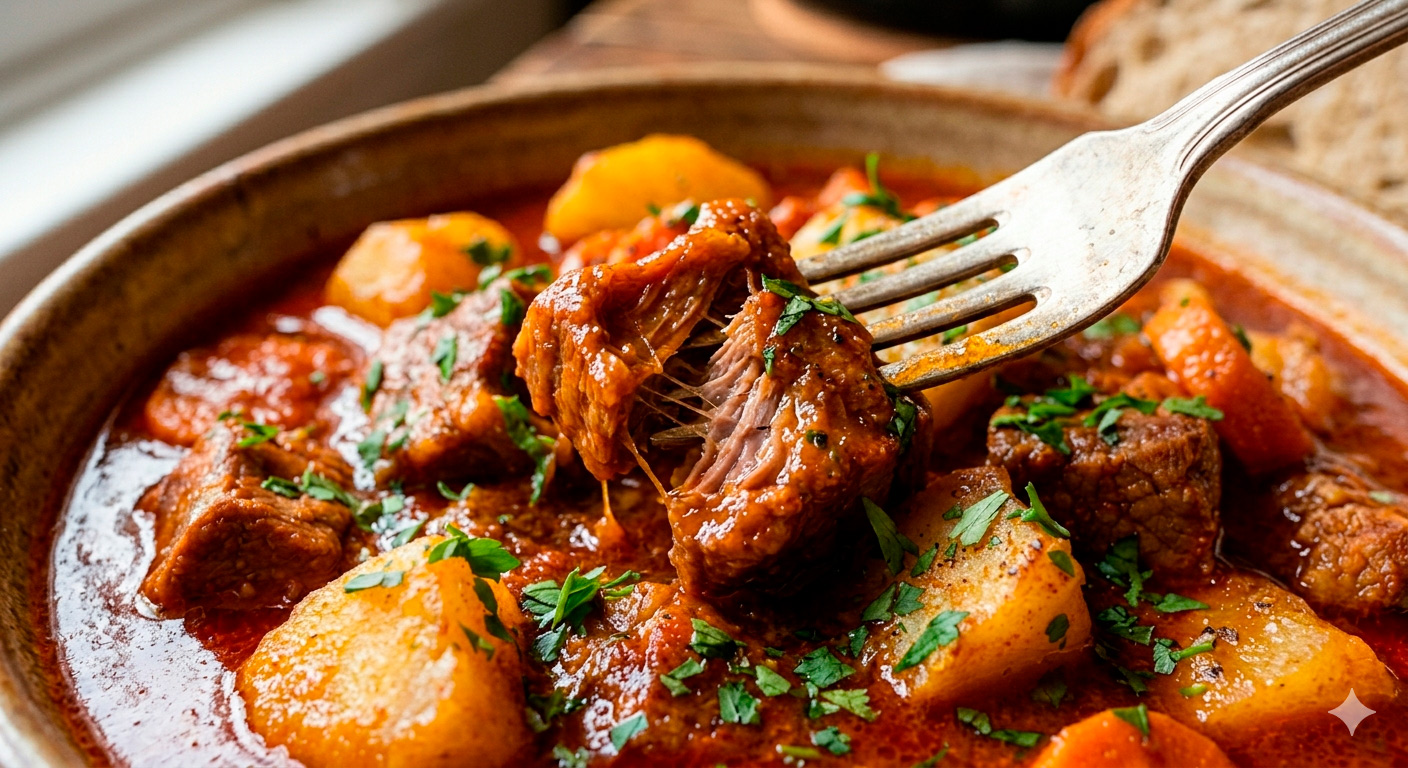
The first secret of a good smoked paprika pork stew lies in choosing the cut. Always use shoulder, lean, or picnic shoulder: these are cuts with intramuscular fat that during long cooking converts to collagen and then gelatin, giving the stew that incomparable silky texture. Never use loin or fillet because, being too lean, they’ll become dry, tough, and fibrous after 70 minutes on the heat.
Searing the meat isn’t optional; it’s what makes the difference between a mediocre stew and an extraordinary one. To sear properly, make sure the oil is very hot before adding the meat. If the oil isn’t hot enough, the meat will sweat instead of browning and you’ll lose the juices that give it flavor. Sear in batches if necessary: overcrowding lowers the pot temperature and ruins the process.
When incorporating smoked paprika into the sofrito, work quickly and continuously stir. Paprika has sugars that burn in seconds over high heat. If it burns, it develops a bitter taste that cannot be corrected afterward. If you see the bottom darken too much, remove the pot from heat for a few seconds while stirring. Thirty seconds of paprika cooking is sufficient for it to release all its aroma and color without becoming bitter.
The cider you use matters enormously. Don’t confuse natural Asturian cider (fermented, acidic, still or with natural bubbles) with sweet sparkling ciders or sugared export ciders. Cider for cooking should be dry, acidic, and without added sweeteners. In Mexico you can find it in imported product stores or gourmet supermarkets. If unavailable, a good Ale or Saison-type beer works as an elegant substitute.
Broken potatoes are another technical detail that separates good cooks. Breaking them means making a partial cut with a knife and then tearing the piece with your hands, creating irregular, rough surfaces. These surfaces release more starch during cooking than a cleanly cut potato, and that starch is the natural thickener that turns the cooking liquid into a rich, glossy sauce without needing to add flour or cornstarch at the end.
Regarding common mistakes when preparing pork stew: the first is rushing the cooking. This is a dish that requires low heat and patience. If you raise the heat to finish sooner, the meat will remain tough because the collagen won’t have time to transform into gelatin. The second mistake is not adjusting seasoning at the end: during cooking the liquid reduces and concentrates flavors, so what seemed well-seasoned initially may need adjustment at the end. The third mistake is serving without resting: the 10-minute rest after turning off heat is crucial for juices to redistribute within meat fibers.
For storage: this smoked paprika and cider pork stew is one of those dishes that improves with time. After 24 hours of refrigeration, flavors fully blend and the sauce gains depth. Store in a glass or ceramic airtight container (plastic can absorb paprika aromas) and reheat gently with a splash of water or broth if the sauce has thickened too much. If planning to freeze, do so without potatoes and add fresh potatoes when reheating.
Variations and substitutions for smoked paprika and cider pork stew
One of the great virtues of this smoked paprika pork stew is its versatility. The base recipe accepts multiple variations without losing its comforting essence.
Beer version: Substitute cider with Stout, Porter, or dark Ale-type beer. The result is a stew with more bitter, toasted, and robust notes, ideal for those who prefer more intense flavors. Guinness, for example, gives exceptional depth to the sauce.
With apple fruitiness: Add two green apples (Granny Smith) peeled and quartered during the last 15 minutes of cooking. They partially dissolve and reinforce the cider profile with delicious natural sweetness and acidity.
Spicy version: Add half a teaspoon of hot paprika alongside the smoked variety and a rehydrated guajillo chili to the sofrito. The contrast between spicy, smoky, and cider acidity is simply spectacular.
Gluten-free: Replace wheat flour with cornstarch (corn starch) in the same proportions. The result is practically identical and suitable for people with celiac disease or gluten sensitivity.
Slow cooker version: Sear the meat and prepare the sofrito on the stove, then transfer everything to the slow cooker and cook on low for 6 to 8 hours. The meat will be even more tender and the sauce more concentrated.
Pressure cooker version: Reduce cooking time to 25 to 30 minutes at high pressure. Use less broth (about 150 ml) because there’s no evaporation. Potatoes can be added before closing the pot or cooked separately to avoid disintegration.
Frequently asked questions about smoked paprika and cider pork stew
Can I freeze smoked paprika and cider pork stew?
Yes, it freezes perfectly for up to 3 months in airtight containers. The recommendation is to prepare it without potatoes if freezing, since potatoes change texture when thawing and can become mealy and unpleasant; simply add fresh potatoes when reheating.
How long does smoked paprika pork stew last in the refrigerator?
Stored in an airtight container at 2 to 4°C, smoked paprika and cider pork stew keeps perfectly for up to 4 days. In fact, it tastes notably better the next day because flavors integrate during resting. If you notice the sauce smells excessively acidic or the meat has an unusual grayish color, discard it as a precaution.
How many calories does smoked paprika pork stew have?
A serving provides approximately 450 kcal, with 32 g protein, 18 g fat, and 25 g carbohydrates. It’s a complete, satisfying, and energizing dish, ideal as a main course in family meals. Compared to other meat stews, its nutritional profile is very balanced thanks to the combination of protein, fiber, and complex carbohydrates.
Can I make pork stew without cider?
Yes. If you can’t find natural cider, you can substitute it with Ale or Stout-type beer for more bitter and toasted notes, dry white wine for a lighter and more floral profile, or a mixture of 400 ml broth with 100 ml apple cider vinegar to simulate fruity acidity. The result varies in nuances but the dish remains delicious and comforting.
How is smoked paprika pork stew best served?
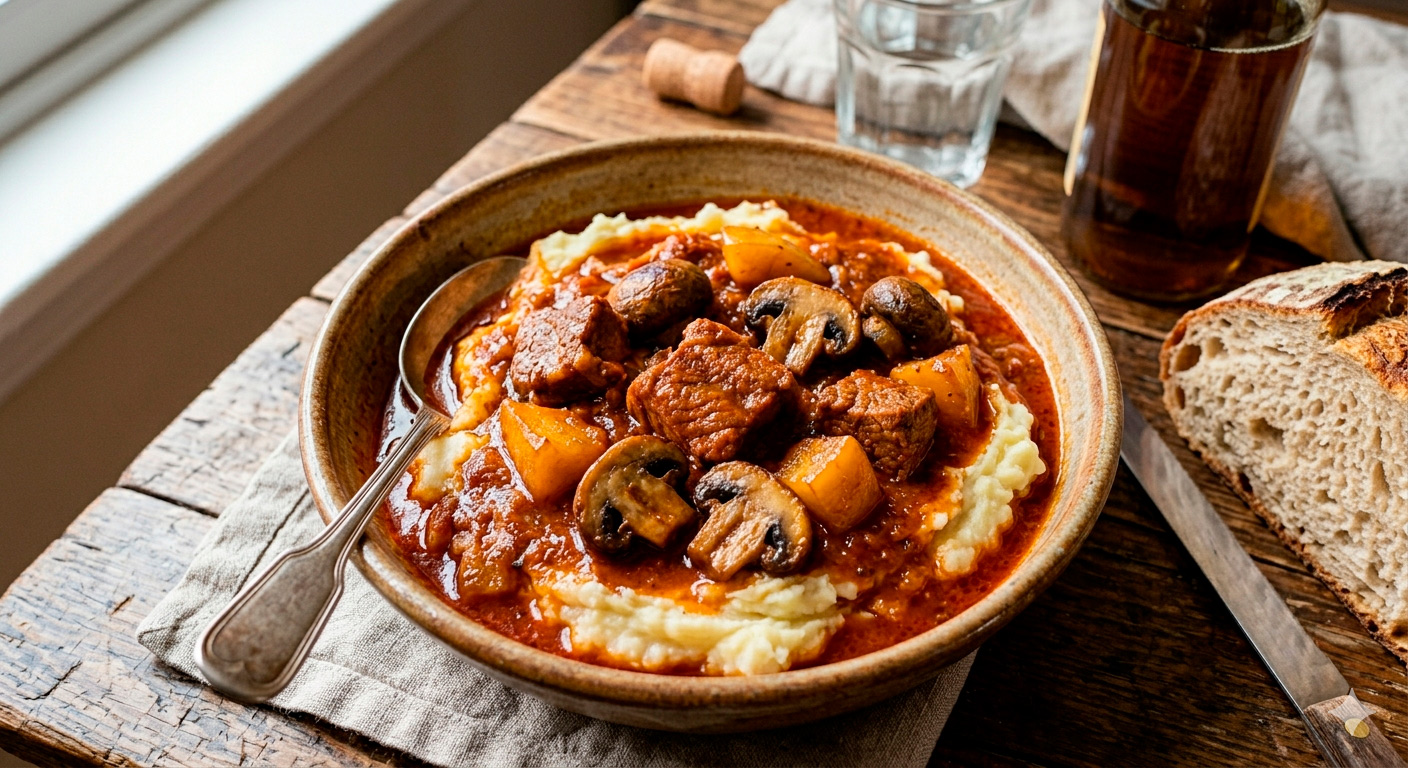
Serve hot, directly from the pot to a warm bowl, with rustic or country bread for dipping in the sauce. It also pairs excellently with long-grain white rice, creamy polenta, or mashed potatoes. To pair, a young red wine like Mencía or Garnacha, or a well-chilled natural Asturian cider, are the most successful options.
Reference sources and resources
For more information on food safety and nutrition, consult WHO’s healthy diet guidelines.
For nutritional value of ingredients, you can check Harvard T.H. Chan School of Public Health’s Nutrition Source.
Food composition information available in the National Institute of Public Health of Mexico database.