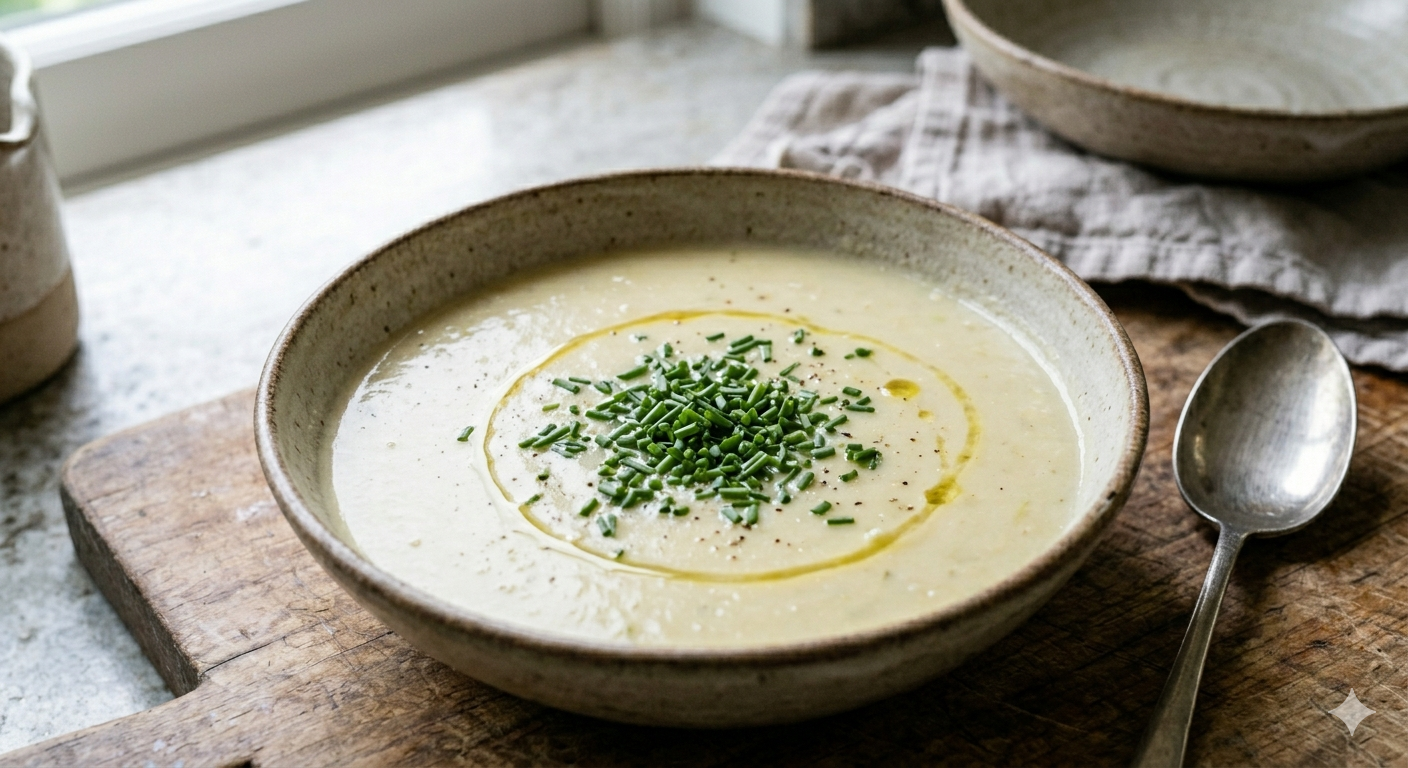
The art of cooking hides in the transformation of the noblest elements through fire and care. Few combinations achieve such a perfect balance on the palate as the deep sweetness of a vegetable caramelized by direct heat and the vibrant, almost sophisticated, acidity of a good artisanal dairy. This roasted pepper and goat cheese cream is a tribute to patience and respect for raw ingredients.
After years among pots, pans, and the constant heat of culinary services, I have learned that the best recipes don’t need unnecessary complexity, but impeccable technique at their base. The secret of a memorable dish lies in its texture: that silkiness that embraces the spoon and makes every bite feel like a warm hug on a winter day. Join me in discovering the secrets, origin, and meticulous development of this irresistible cream.
Origin and History: The Roots of a Timeless Combination
To understand the essence of this roasted pepper and goat cheese cream, we must travel to the coasts of the Mediterranean, a region where land and sun conspire to deliver some of the most vibrant ingredients in world gastronomy. The pepper, originally from America and brought to Europe after the culinary voyages of the 16th century, found an ideal home in Spanish and Italian soil.
It was in the rural kitchens of the Iberian Peninsula and southern France where the act of roasting these fruits over wood embers became a deep-rooted tradition, a way to preserve late summer harvests and enhance their flavor for the cold months. This ancestral technique is precisely what gives our roasted pepper cream its unmistakable smoky character.
Goat cheese, for its part, represents one of the oldest forms of dairying known to humanity. In the mountainous areas of the Mediterranean, where cows did not thrive easily due to rugged terrain, goats became the queens of livestock. Their milk, with an intense aromatic profile and markedly acidic notes, was transformed into fresh and aged cheeses that defined the culinary identity of entire regions, such as French Provence or Spanish Andalusia.
The union of both elements in a velvety soup is a contemporary evolution of the classic combination of rustic roasted pepper salads with cheese. By bringing these flavors to the format of a hot cream, Mediterranean cooks managed to unify the smoky sweetness of the vegetable with the melting unctuousness of the dairy, creating a preparation that transcends borders and is today a classic on modern menus.
Preparation Times and Yield
Respecting times is the first lesson that every good cook must internalize. We cannot rush the fire when it comes to extracting the essence of our vegetables. Below are the estimated times and yield of this roasted pepper and goat cheese cream so you can organize your time in the kitchen with total precision.
| Culinary Parameter | Detail and Duration |
|---|---|
| Ingredient Preparation Time | 20 minutes |
| Cooking Time | 40 minutes |
| Total Time | 60 minutes |
| Servings | 4 to 6 people |
| Calories per Serving | 245 kcal |
| Difficulty | Easy to Medium |
Ingredients for Roasted Pepper and Goat Cheese Cream
Main Ingredients
| Base Ingredient | Quantity | Regional Name Variations |
|---|---|---|
| Red Bell Pepper | 1 kg | Red pepper, capsicum |
| Goat Cheese | 200 g | Goat log, chèvre |
| Onion | 2 medium pieces | Brown onion |
| Garlic | 4 cloves | Common garlic |
| Vegetable Broth | 1 liter | Vegetable stock |
Seasonings and Extras
| Seasoning / Extra | Quantity | Regional Name Variations |
|---|---|---|
| Extra Virgin Olive Oil | 45 ml | EVOO |
| Heavy Cream | 100 ml | Double cream, whipping cream |
| Fresh Thyme | 3 sprigs | Garden thyme |
| Smoked Paprika | 5 g | Smoked Spanish paprika, pimentón |
| Sea Salt | To taste | Kosher salt, coarse salt |
| Black Peppercorns | To taste | Freshly ground black pepper |
Preparation Steps: Detailed Process for Roasted Pepper Cream
To achieve an impeccable texture and a three-dimensional flavor profile, we will follow a method structured in five key phases. Each step is essential to ensure that the components of this irresistible cream interact optimally.
Step 1: Primary Roasting and Caramelization of the Peppers
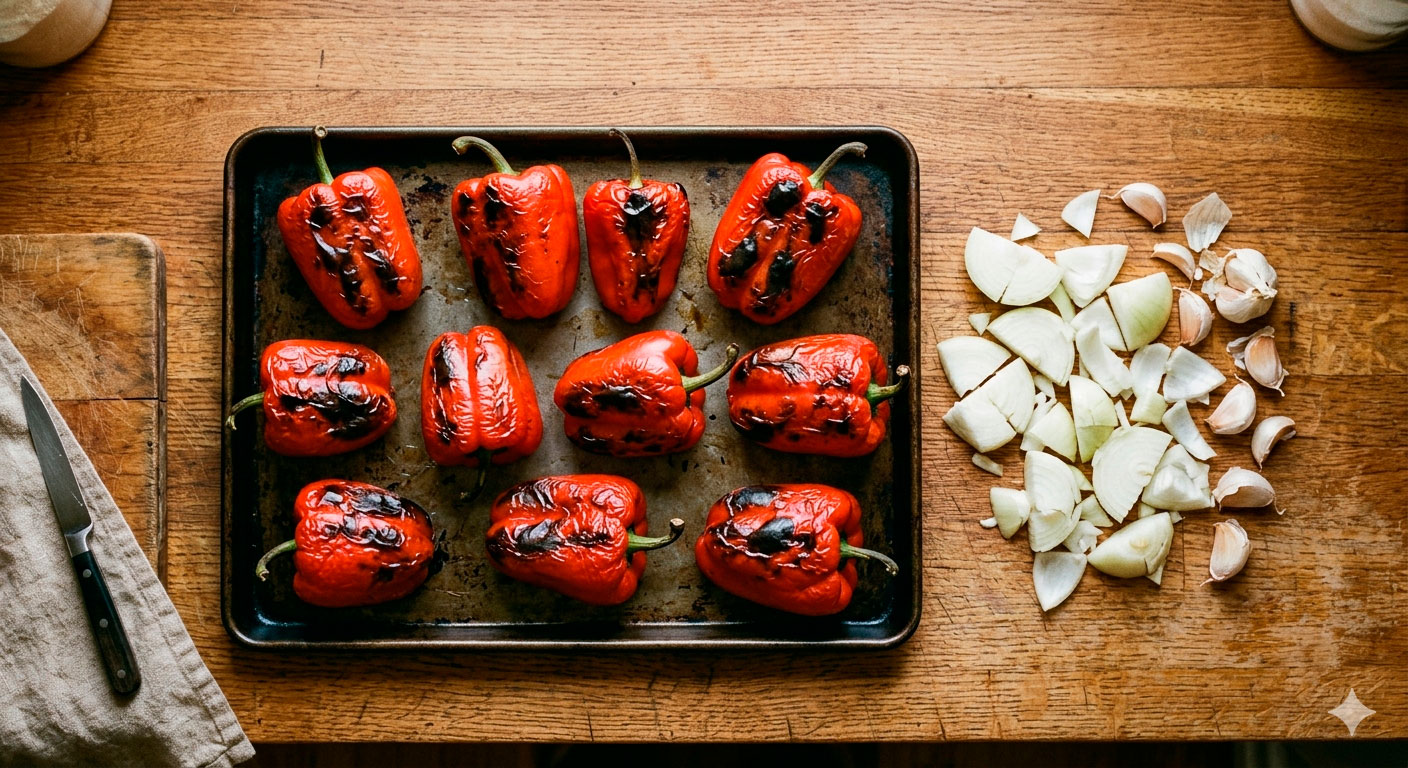
The process begins by preheating the oven to a high temperature, ideally 200°C (400°F). We thoroughly wash the bell peppers and dry them completely with a clean cloth; surface moisture would delay the toasting effect we are looking for.
Place the whole peppers on a large baking sheet, drizzling them with a subtle thread of olive oil and a pinch of sea salt. Put the tray in the oven and let the heat act for approximately 30 to 35 minutes. It is crucial to rotate the vegetables halfway through. We intentionally seek the outer skin to blister, puff up, and acquire dark, almost charred areas. This surface toasting is directly responsible for providing the smoky nuance so characteristic of our irresistible cream.
Step 2: Sweating and Meticulous Cleaning
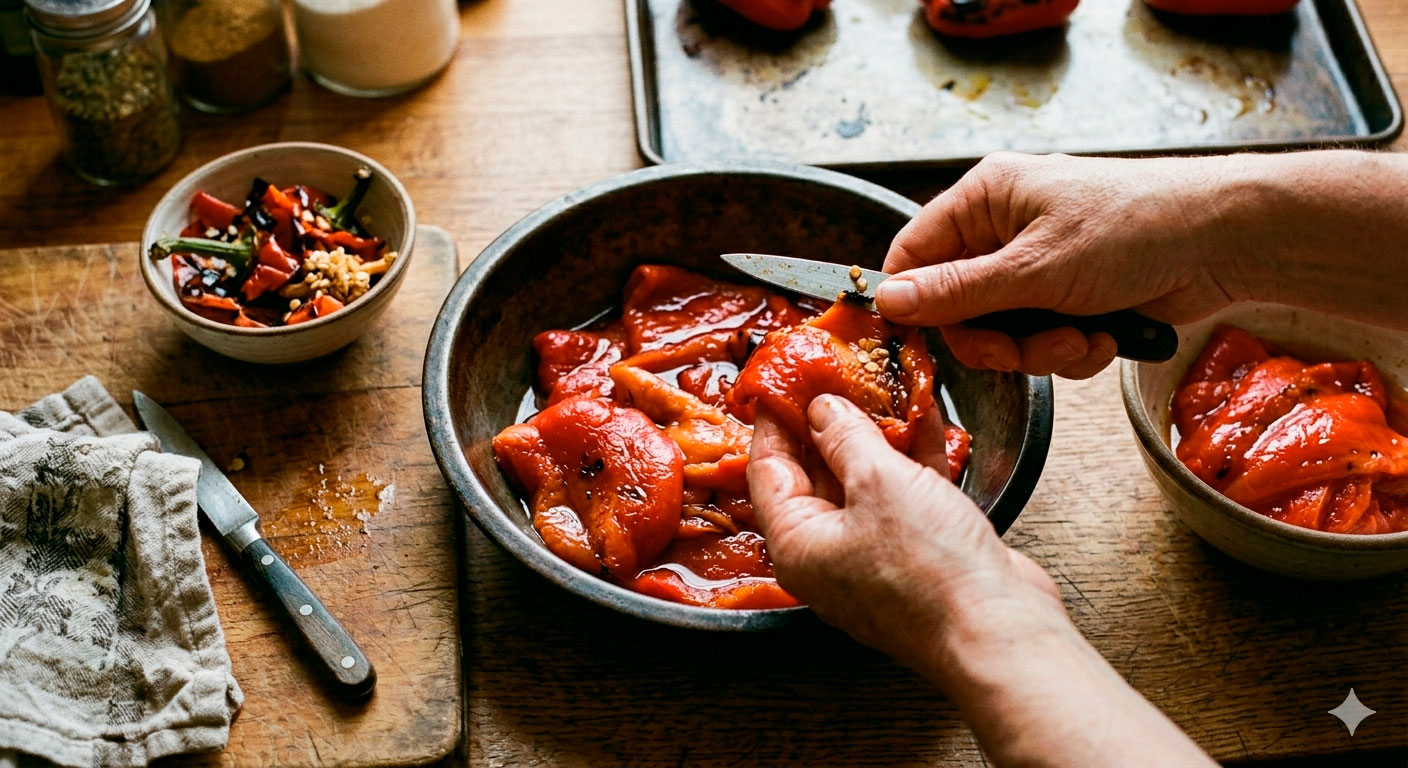
Once the vegetables exhibit that blistered skin, carefully remove them from the oven. Immediately transfer them to a deep container and cover tightly with plastic wrap, or place them in a clean kitchen bag and close it. Let the covered peppers rest for 15 minutes.
This procedure uses the residual heat itself to generate trapped steam, which softens the external cuticle of the vegetable. After this time, when removing the skin, you will notice how it comes off with extreme ease. Remove the seeds, internal white veins, and stem, keeping only the clean, tender flesh and the sweet juices that have accumulated at the bottom of the container. These juices are liquid gold for our roasted pepper and goat cheese cream.
Step 3: The Aromatic Base Sauté
In a heavy-bottomed pot, pour the remaining olive oil and heat over medium heat. Add the onions cut into medium cubes and a pinch of salt to encourage sweating. Cook over low heat for about 10 minutes, seeking the onion to become translucent and tender, avoiding it taking on a dark golden color that would bitter the preparation.
When the onion is at its optimal point, add the sliced garlic cloves and fresh thyme leaves. Cook for 2 more minutes, observing how the essential oils of the garlic and aromatic herb perfume the entire fat base of the pot. Just before finishing this step, sprinkle the smoked paprika, stirring quickly for 30 seconds to cook without burning. This is the step where the deep flavors of our irresistible cream are built.
Step 4: Flavor Fusion and Slow Cooking
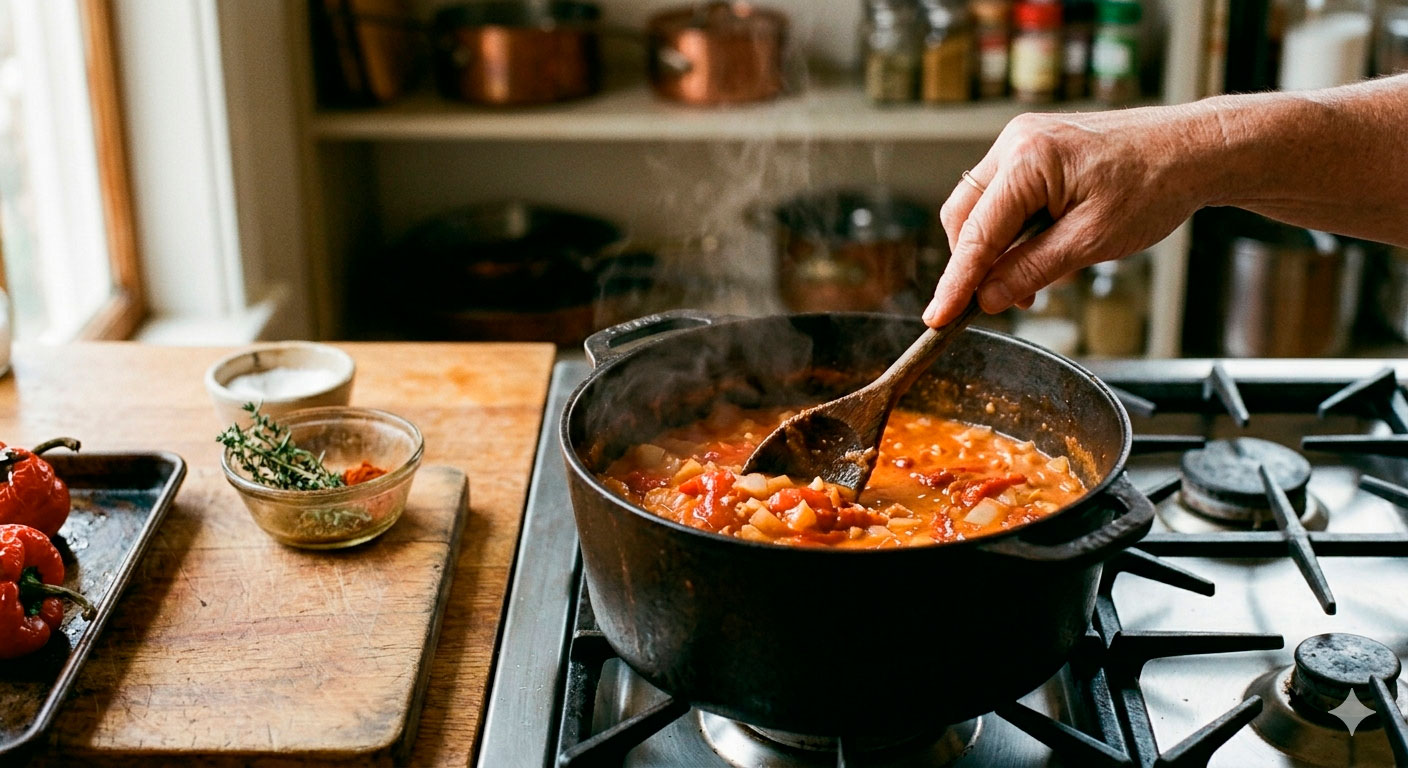
It is time to unify our elements. Add the roasted pepper flesh along with the resting juices we had reserved to the pot. Stir well so that the vegetables become impregnated with the aromatic sauté for a couple of minutes.
Next, pour in the hot vegetable broth, ensuring it completely covers the ingredients. Raise the heat until the mixture reaches a boil, then reduce the intensity to low heat, partially cover the pot, and let everything simmer slowly for 15 minutes. This period allows the broth to absorb the deep sweetness of the pepper and for the onion and garlic to deliver all their structure to the liquid.
Step 5: Emulsion, Cheese Addition, and Final Texturing
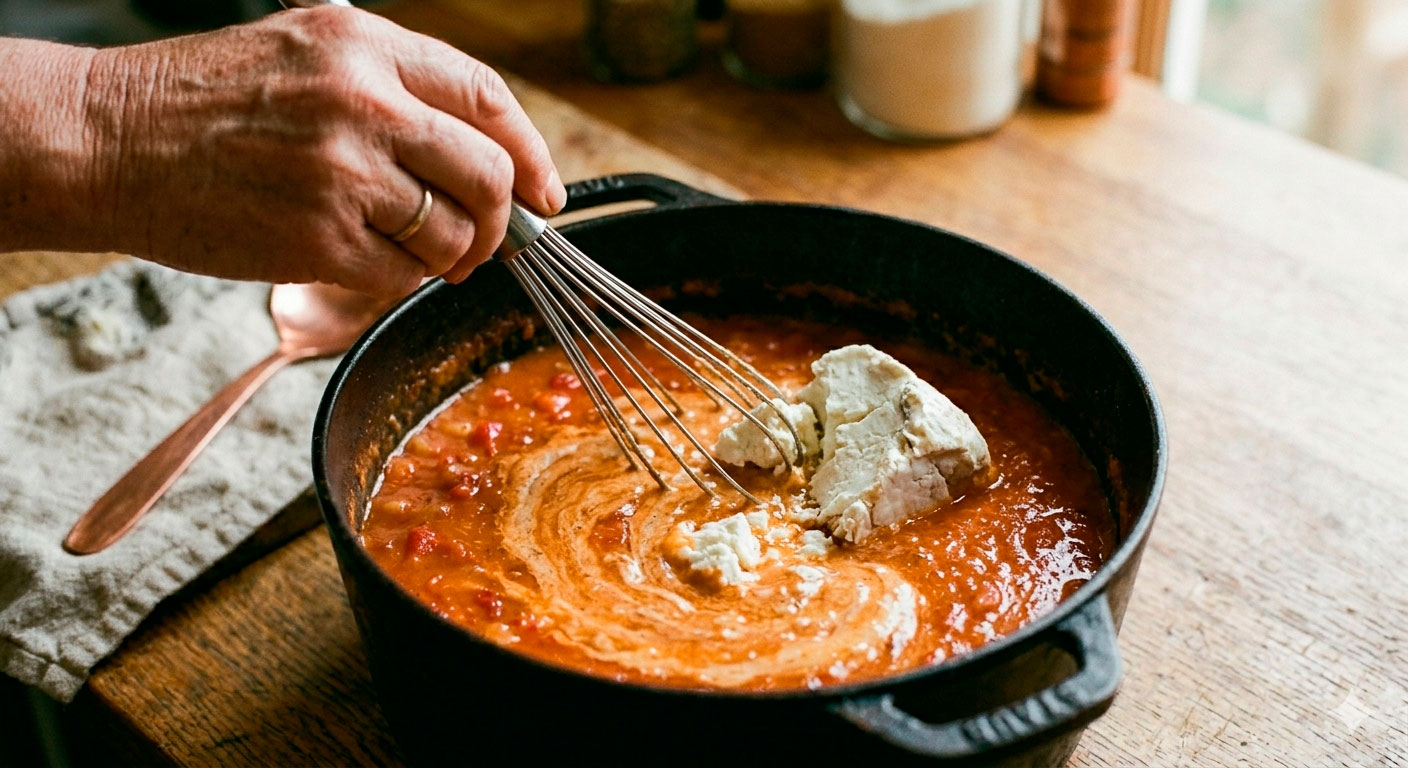
Remove the pot from the heat and remove the thyme sprigs if whole stems were used. With the preparation still hot, crumble three-quarters of the goat cheese directly into the pot, reserving the rest for final decoration of the dish. Also add the heavy cream to soften the overall acidity.
Using a high-powered immersion blender or transferring the contents to a heat-resistant jar blender, process the mixture at maximum speed. We must maintain processing for several minutes until obtaining a completely smooth, uniform consistency free of residual fibers. Bring the roasted pepper and goat cheese cream back to minimum heat for a couple of minutes just to stabilize the temperature, adjust the salt point, and add a generous grinding of fresh black pepper. The cream should show a vibrant orange color and a silky texture that elegantly coats the back of a spoon.
Nutritional Information of Roasted Pepper and Goat Cheese Cream
Conscious eating requires clarity about what we contribute to our body. This dish stands out for its high concentration of antioxidants from the pepper, balanced with the healthy fats and proteins of the dairy.
| Nutritional Component | Amount per Serving | Daily Recommended Percentage (DV)* |
|---|---|---|
| Calories | 245 kcal | 12% |
| Total Fat | 16 g | 21% |
| Saturated Fat | 8 g | 40% |
| Cholesterol | 35 mg | 12% |
| Sodium | 520 mg | 23% |
| Total Carbohydrates | 18 g | 6% |
| Dietary Fiber | 4 g | 14% |
| Sugars | 9 g | — |
| Protein | 8 g | 16% |
| Vitamin C | 140 mg | 155% |
*Percent Daily Values are based on a 2,000 calorie diet. Your daily values may be higher or lower depending on your energy needs.
Benefits of Consuming this Roasted Pepper and Goat Cheese Cream
- Extraordinary Source of Antioxidants: Red pepper is one of the vegetables with the highest concentration of Vitamin C, far exceeding traditional citrus fruits. This vitamin, combined with the lycopene present in the pulp, actively combats cellular oxidative stress.
- Easy Dairy Digestion: Goat cheese contains short and medium chain fatty acids, in addition to having lower lactose levels than cow’s milk, which greatly facilitates its assimilation in the digestive system.
- Source of Vitamin A and Beta-carotenes: Essential for visual health and the optimal maintenance of the immune system and epithelial tissues.
- Low Glycemic Impact: Despite its notable organoleptic sweetness, the carbohydrates present come from complex plant sources accompanied by fiber, which avoids drastic blood sugar spikes.
Expert Analysis: The Master Touch for Roasted Pepper and Goat Cheese Cream
From a purely gastronomic perspective, the success of this irresistible cream lies in the impeccable handling of molecular and flavor contrasts. Ripe red pepper has a considerable amount of natural sugars that, when subjected to the dry heat of the oven, undergo the Maillard reaction and deep caramelization.
This not only transforms its flavor profile towards more complex and sweet notes but also reduces the perception of herbal astringency that the fruit has in its raw state. The chemical reaction between amino acids and reducing sugars is what gives that unmistakable and desirable smoky aroma.
On the other hand, goat cheese acts as the ideal counterweight. Its characteristic acidity breaks the linear sweetness of the pepper, bringing freshness to the palate and preventing the cream from being cloying after the first spoonfuls. Additionally, the fat content of the dairy acts as an excellent vehicle for the aromatic compounds of garlic and thyme, prolonging the persistence of flavors in the mouth (the aftertaste).
Texture is the third fundamental pillar: the emulsion created between the broth water, added oils, and suspended cheese proteins after blending generates a highly viscous fluid that provides a sumptuous palatability, commonly associated with haute cuisine, without needing to resort to artificial thickeners or excessive starches.
To further elevate this culinary experience, I recommend accompanying the cream with a dry white wine of mineral character, such as a Galician Albariño or a Sardinian Vermentino. The natural acidity of the wine complements the sweetness of the cream while its saline profile enhances the nuances of the goat cheese.
Common Errors, Conservation, and Professional Tips
Common Mistakes when Preparing Roasted Pepper Cream
Insufficient roasting: Many cooks remove the peppers from the oven when the skin has just begun to darken. The skin must be visibly blistered and with charred areas to develop maximum smoky flavor. Don’t fear the dark parts; it is precisely there where the flavor is concentrated.
Adding cheese over high heat: One of the greatest betrayals to this cream is incorporating the goat cheese while the broth is bubbling intensely. Excessive heat causes the cheese proteins to coagulate irregularly, resulting in a grainy and unpleasant texture. Always remove from heat before adding dairy.
Not using the resting juices: During sweating, the peppers release a translucent juice loaded with concentrated sugars and aromas. Discarding this liquid is a serious mistake. Incorporate every drop into the final preparation.
Preservation and Storage of Roasted Pepper Cream
To preserve the organoleptic qualities of the cream once made, it is vital to follow strict hygiene and thermal control guidelines. Once the cream is finished, if it is not going to be consumed immediately, it should be cooled quickly (ideally placing the container over an ice water bath) and transferred to glass containers with airtight seals.
In Refrigeration: It stays in perfect condition for a period of 3 to 4 days at a constant temperature between 2°C and 4°C (36°F-40°F). When reheating, do so over very low heat, stirring constantly to avoid separating the cheese and cream emulsion.
In Freezing: Due to the presence of dairy, freezing may slightly alter the emulsion stability when thawed, showing a separated appearance. However, it can be safely frozen for up to 2 months. To recover it, thaw the product in the refrigerator for 24 hours and when reheating, blend again at high speed to homogenize the fat and liquid.
Professional Tips to Improve your Roasted Pepper Cream
- Take advantage of the roasting juice: Never discard the translucent liquid that the peppers release when sweating inside the bag or bowl. This juice concentrates a large part of the caramelized sugars and the smoky aroma of the oven.
- Add dairy off the heat: Goat cheese and cream should not boil with intense bubbling for a long time, as the proteins could over-coagulate, ruining the silky texture.
- The touch of vinegar: If you notice the cream tastes too sweet due to the ripeness of the peppers, add half a teaspoon of Sherry vinegar or white balsamic vinegar just before the final blending. This subtle acidic touch will instantly awaken all the nuances of the dish.
- Use a strainer for more elegance: If after processing the cream you notice small fiber residues remain, pass it through a fine mesh strainer or a traditional chinois. You will obtain a truly velvety, luxury restaurant texture.
Variations and Substitutions for Roasted Pepper and Goat Cheese Cream
The beauty of this recipe lies in its versatility. Here I present two variations that maintain the original spirit of the cream while embracing completely different culinary philosophies.
Version 1: Vegan Variation with Nuts
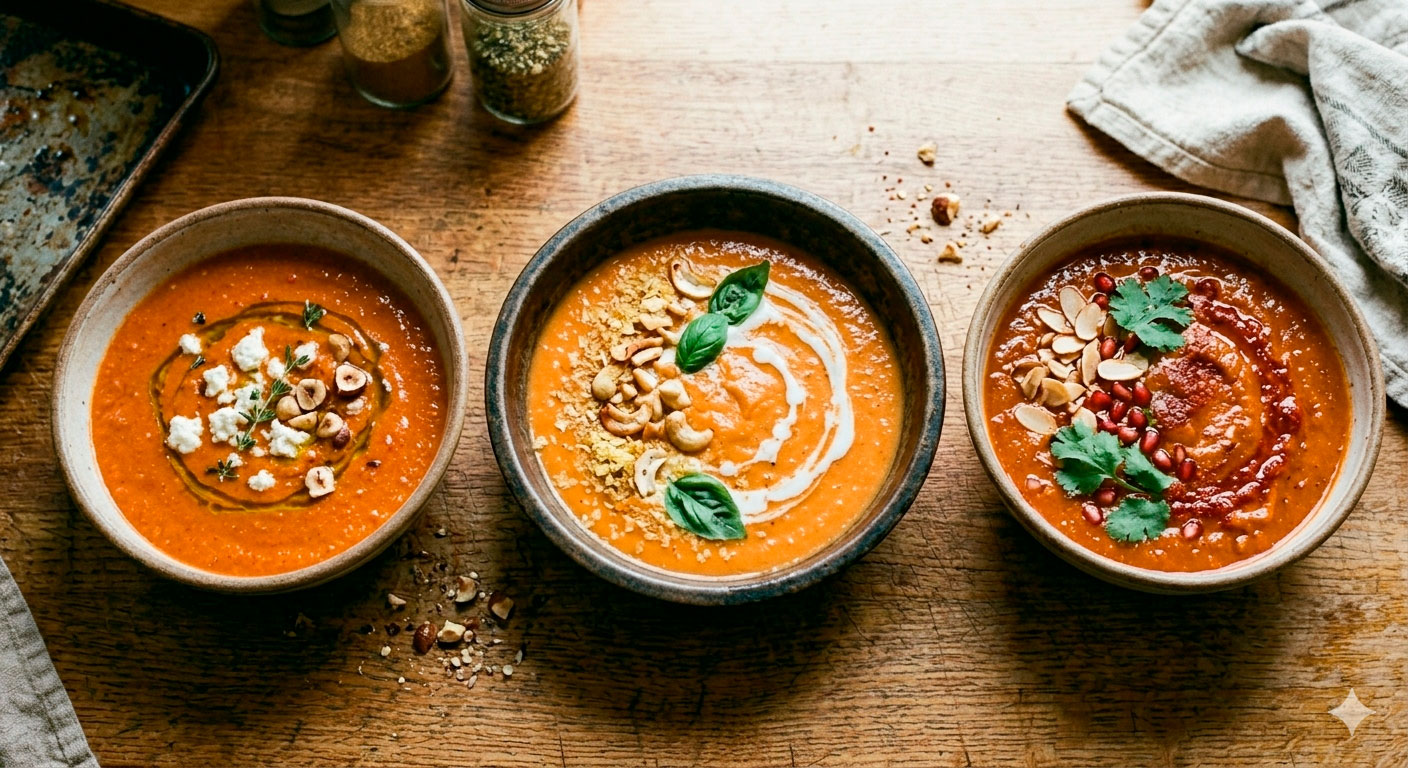
To adapt this dish to a regime free of animal products, substitute the goat cheese with a thick cream obtained from cashews previously soaked in warm water for 2 hours and blended with nutritional yeast, fresh lemon juice, and a touch of garlic powder.
The traditional heavy cream is replaced by almond or soy cooking cream, achieving an identical unctuousness and a markedly velvety flavor profile. This version is totally vegan, does not sacrifice final quality at all, and is surprisingly creamy.
Version 2: Middle Eastern Spiced Twist
If you are looking for an exotic note, you can add to the sauté base a teaspoon of ground cumin, half a teaspoon of crushed coriander seeds, and a touch of harissa paste (between 1/2 and 1 teaspoon, depending on your tolerance for heat). When serving, garnish with chopped toasted nuts, a few drops of pomegranate molasses, and some dried rose petals if you have them available.
This variant connects the recipe directly with the aromatic profiles of muhammara, the classic Syrian-Lebanese pepper paste, providing a completely new experience to the same cream base.
When is it Ideal to Prepare Roasted Pepper and Goat Cheese Cream
This dish shines brightly on various occasions thanks to its seasonal versatility and refined appearance:
- Autumn and Winter Dinners: Its warm temperature and smoky notes make it the ultimate comforting starter for the cold months. Perfect for accompanying with a fireplace.
- Elegant Gatherings at Home: When presented in small portions (mini bowls or tasting glasses), topped with green sprouts and nuts, it works as a sophisticated appetizer that impresses diners without requiring a chaotic last-minute display in the kitchen.
- Celebration Menus: Ideal for opening a festive menu (like Christmas dinner or anniversaries), bringing a touch of vibrant color to the table before the more robust main courses.
- Light Lunches: Served as a single dish accompanied by a fresh salad and rustic toasted bread, it constitutes a nutritious and satisfying lunch without being heavy.
Frequently Asked Questions about Roasted Pepper and Goat Cheese Cream
Can you freeze the roasted pepper and goat cheese cream?
Yes, it is completely viable. However, make sure to drain them very well and pass them for a few minutes in a very hot skillet with a few drops of oil to try to evaporate excess liquid. Keep in mind that you will lose part of the natural smoky aroma of homemade roasting, which you can compensate for by slightly increasing the amount of smoked paprika.
How long does the pepper cream last in the refrigerator?
It stays in perfect condition for 3 to 4 days at a constant temperature between 2°C and 4°C (36°F-40°F). When reheating, do so over very low heat, stirring constantly to prevent the cheese and cream emulsion from separating and losing its characteristic silky texture.
How many calories are in roasted pepper and goat cheese cream?
Each serving contains approximately 245 kcal, which represents 12% of the daily recommended value in a 2,000-calorie diet. It is a relatively moderate-calorie dish but extraordinarily rich in nutrients and antioxidants thanks to the red pepper.
Can you make roasted pepper cream without goat cheese?
Absolutely. You can substitute the goat cheese with a thick cashew cream made from pre-soaked cashews blended with nutritional yeast, lemon juice, and garlic powder. For non-vegan versions, ricotta cheese or a mixture of cream cheese with a touch of Sherry vinegar also works well.
What’s the best way to serve roasted pepper and goat cheese cream?
To contrast the soft texture of the cream, I recommend crunchy and salty elements. Some rustic bread croutons rubbed with garlic and toasted with olive oil, some toasted pumpkin or sunflower seeds, or even thin almond slivers provide excellent crunch. Visually, some fresh basil leaves or threads of intense green olive oil complete the presentation magnificently.
Reference Sources and Resources
For more information on food safety and nutrition, consult WHO healthy diet guidelines.
Regarding the nutritional value of ingredients, you can consult The Nutrition Source from Harvard T.H. Chan School of Public Health.
Information on food composition available at the database of the Mexican National Institute of Public Health.
Consult our responsibility policy and legal notice before making decisions about your diet based on this content.
Related Categories:
Soups and Comforting Stews |
Easy and Quick Recipes |
Rich and Easy Creams