5 Steps to the Most Irresistible Noodle Soup in Chicken Broth You’ll Ever Taste
Origin and History of Thin Noodle Soup in Chicken Broth
To understand why chicken noodle soup holds such a deep place in the emotional memory of millions of households, we must embark on a journey that crosses continents and centuries. Noodles, as a concept of long, thin pasta, have their oldest roots in Asia, specifically in China, where they were manufactured over four thousand years ago. Through the legendary Silk Road trade routes, these preparations reached the Middle East and later Southern Europe thanks to Arab influence on the Iberian Peninsula during the Middle Ages.
In medieval Spain, there was already a characteristic technique: toasting dry pasta in pork or poultry fat before cooking it in broth, known as “fideos secos” or “cazuela de fideos.” This custom of toasting the noodles before hydrating them was not an aesthetic whim; it was pure culinary wisdom, a technical barrier to control liquid absorption and achieve a superior texture. The cooks of that time didn’t have thermometers or food science books, but they had decades of observation and experimentation.
When Spanish colonizers arrived in America in the 16th century, they brought with them wheat, the custom of making pasta, and above all, the technique of toasting noodles in fat. When faced with the vegetable richness of the new continent — tomato, chile, cilantro, and epazote — the recipe mutated irresistibly, adopting a unique mestizo identity. Ripe red tomato was incorporated into the base sauce, providing acidity, color, and a sweetness that no European ingredient could emulate.
On the other hand, the technique of concentrating bird juices through prolonged cooking in water with aromatic herbs was perfected by French and Italian gastronomy, laying the foundations of modern consommé. By fusing with the tradition of toasting noodles, the result was a dish of subtle complexity that defies its apparent simplicity: thin noodle soup in chicken broth as we know it today.
In Mexico, this dish took root with particular force. It became the quintessential “first course” of midday family meals, present both in a neighborhood budget kitchen and on any family’s Sunday table. Its economic versatility — feeding six people with low-cost ingredients — and its speed of execution established it as a pillar of everyday cooking. Thus, what we serve today in a steaming deep bowl is the result of a portentous cultural mix: medieval European techniques, millennia-old Asian heritage, and the vibrant, irresistible touch of the American land.
What is Thin Noodle Soup in Chicken Broth and Why Should You Make It at Home?
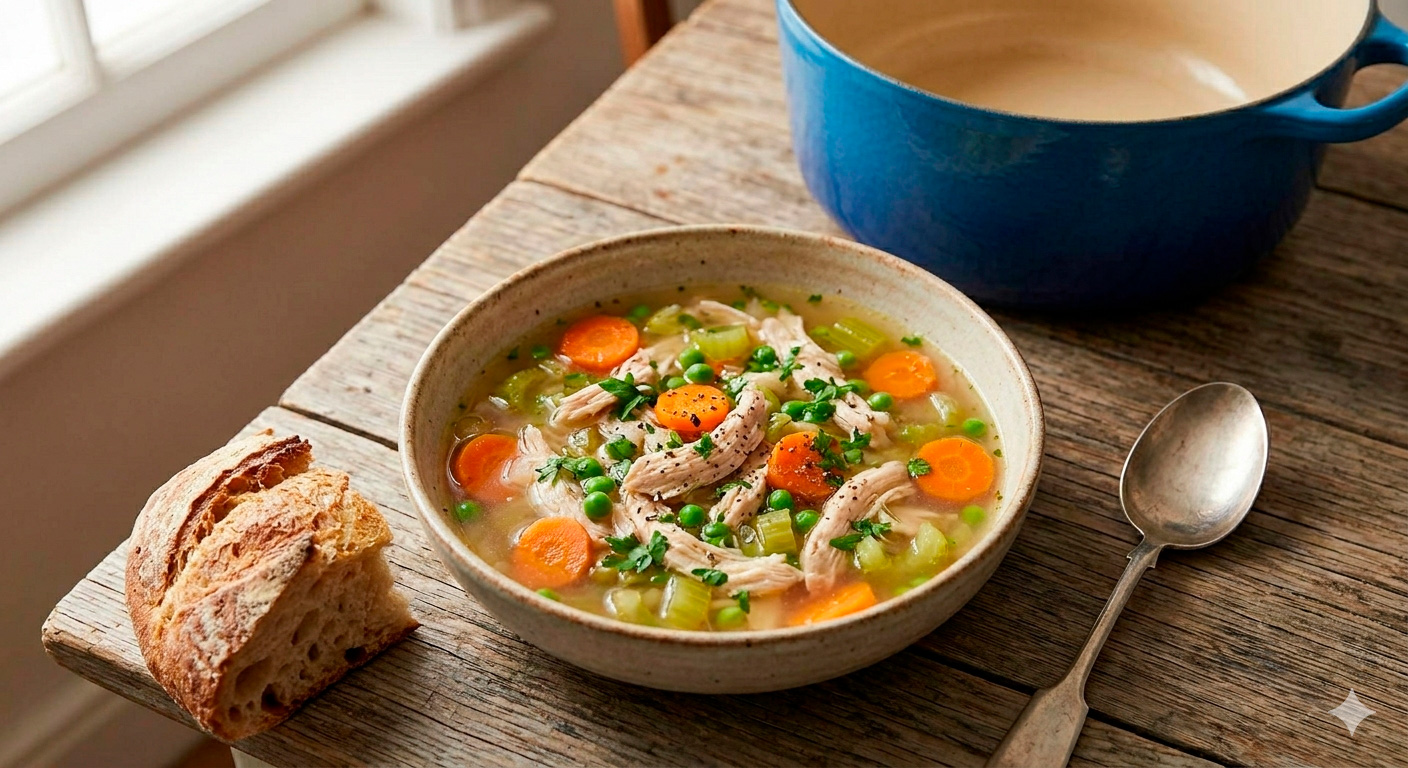
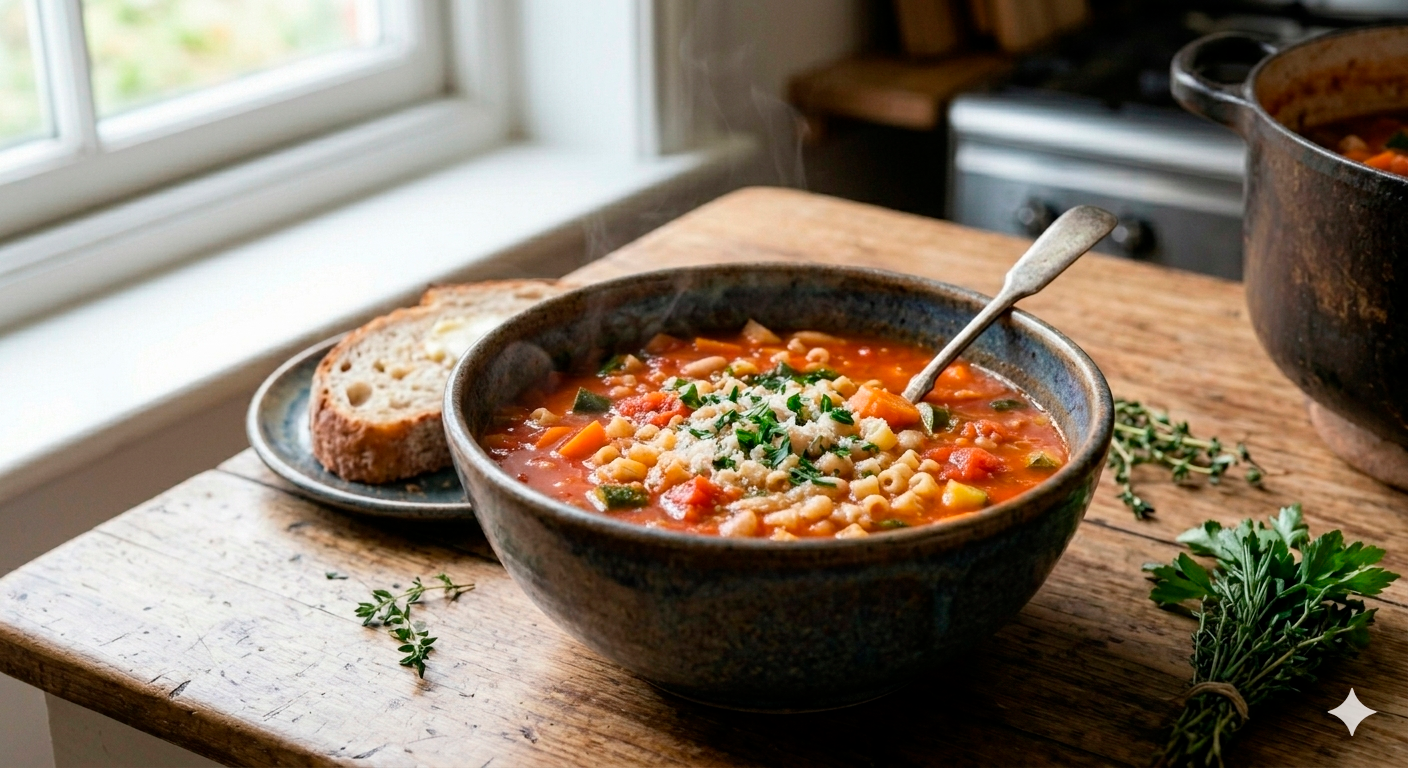
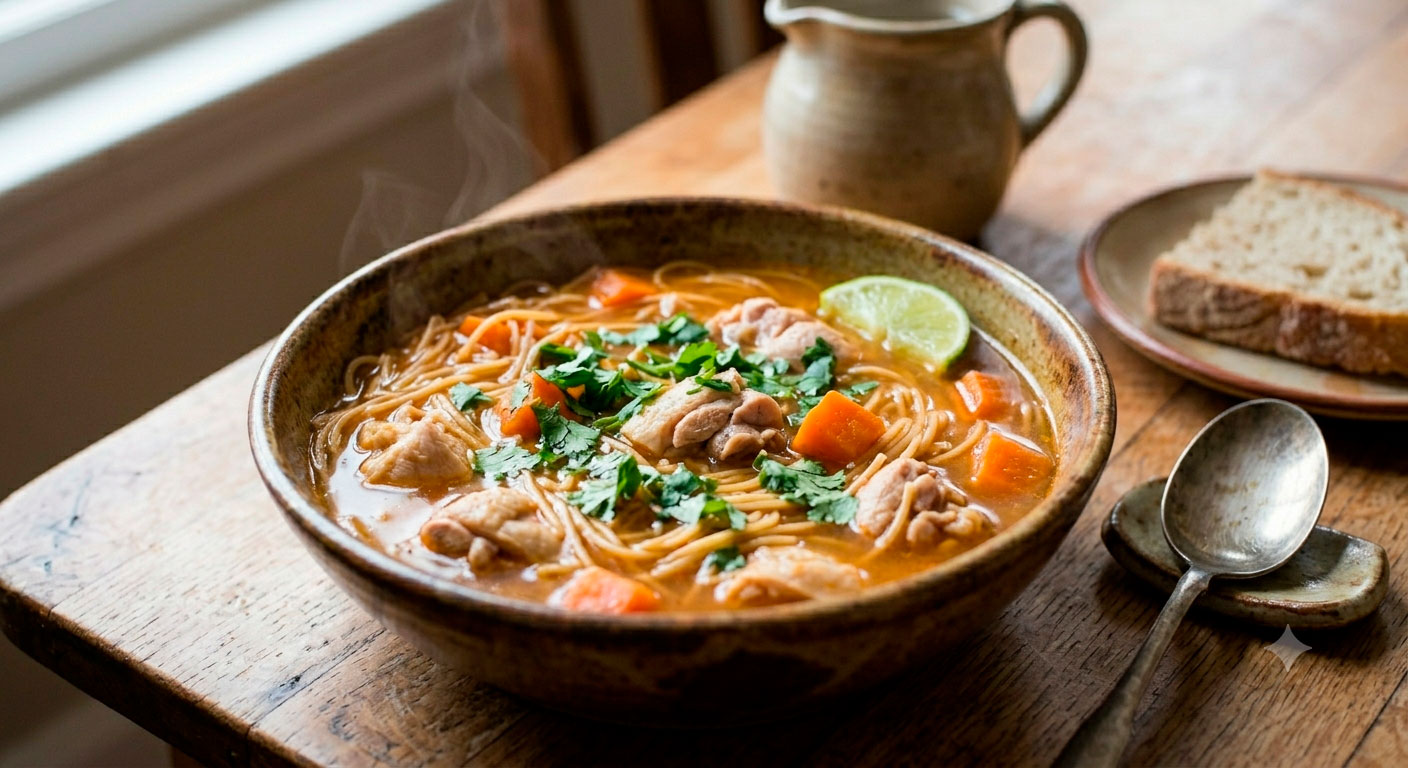
Thin noodle soup in chicken broth is, without exaggeration, one of the most comforting and complete dishes of Mexican cuisine. It consists of thin wheat noodles — known as “fideo del cero,” angel hair, or capellini depending on the region — cooked in a homemade chicken consommé, flavored with tomato, onion, garlic, and fresh cilantro. The result is a crystal-clear amber-golden broth, with perfectly hydrated pasta and tender chicken pieces that fall apart delicately. It’s simple in concept, irresistible in execution.
The aroma that fills a house when the noodles begin to toast in hot oil is, without fear of being wrong, synonymous with home. I have seen gastronomic fads of all kinds come and go over three decades in the kitchen: foams, spherifications, deconstructions that dazzle for a second and are forgotten the next. However, noodle soup in chicken broth remains immutable, defying time. It is not a simple dish; it is a balm for the body, a hug on gray days, and the most forceful proof that excellent cuisine is not born from complication, but from patience and absolute respect for raw materials.
Making this soup at home has advantages that no industrialized broth cube can match. First, you control the sodium: cube concentrates contain between 800 and 1,100 mg of sodium per cup, while a well-seasoned homemade version provides just 480 mg per entire serving of soup. Second, you extract natural collagen from the chicken bone, an element that provides body, shine, and that slightly unctuous texture that distinguishes an artisanal broth. Finally, you can personalize the flavor profile with the herbs you have at home: a sprig of thyme, a bay leaf, or even some epazote branches irresistibly transform the result.
In this thin noodle soup in chicken broth recipe, you will learn the pasta toasting technique, which is the most important and frequently omitted step. When the noodle starch comes into contact with hot oil, its outer layers partially gelatinize, forming a hydrophobic barrier that regulates liquid absorption. This is what distinguishes a noodle with character and defined texture from a soft, pasty pasta that disintegrates in your mouth without offering resistance. A subtle difference of just four minutes in front of the fire that completely transforms the sensory experience of the dish.
This recipe is ideal for any day of the week, but it finds its maximum splendor in midweek lunches, when the body craves warmth and comfort without sacrificing time. With a very moderate budget and 50 total minutes of active work, you can feed six people a nutritious, balanced, and genuinely irresistible dish. It is also perfect for indulging children, convalescents, or any soul that needs a hug served in a deep bowl.
Ingredients for Thin Noodle Soup in Chicken Broth
Quantities for 6 servings.
Main Ingredients
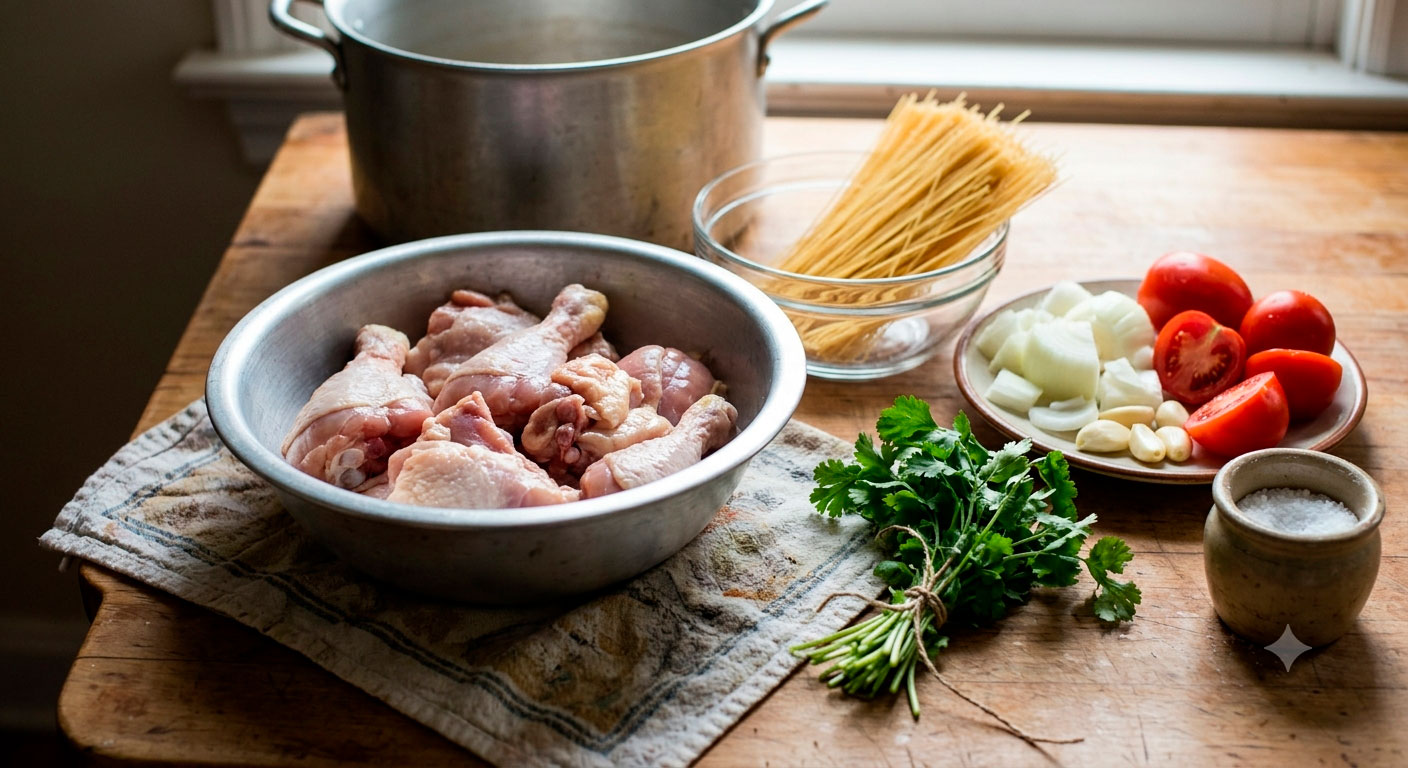
- 200 g thin wheat noodles (fideo fino)
- 500 g bone-in chicken pieces (thigh, leg, or backbone)
- 3 ripe medium tomatoes
- 1 medium white onion
- 2.5 liters purified water
- 1 large carrot, diced
Seasonings and Optional
- 2 garlic cloves
- 1 small bunch fresh cilantro
- 2 tablespoons vegetable oil
- Sea salt to taste
- Fresh lime wedges for serving (optional)
- Fresh serrano chile, chopped (optional)
How to Make Thin Noodle Soup in Chicken Broth Step by Step
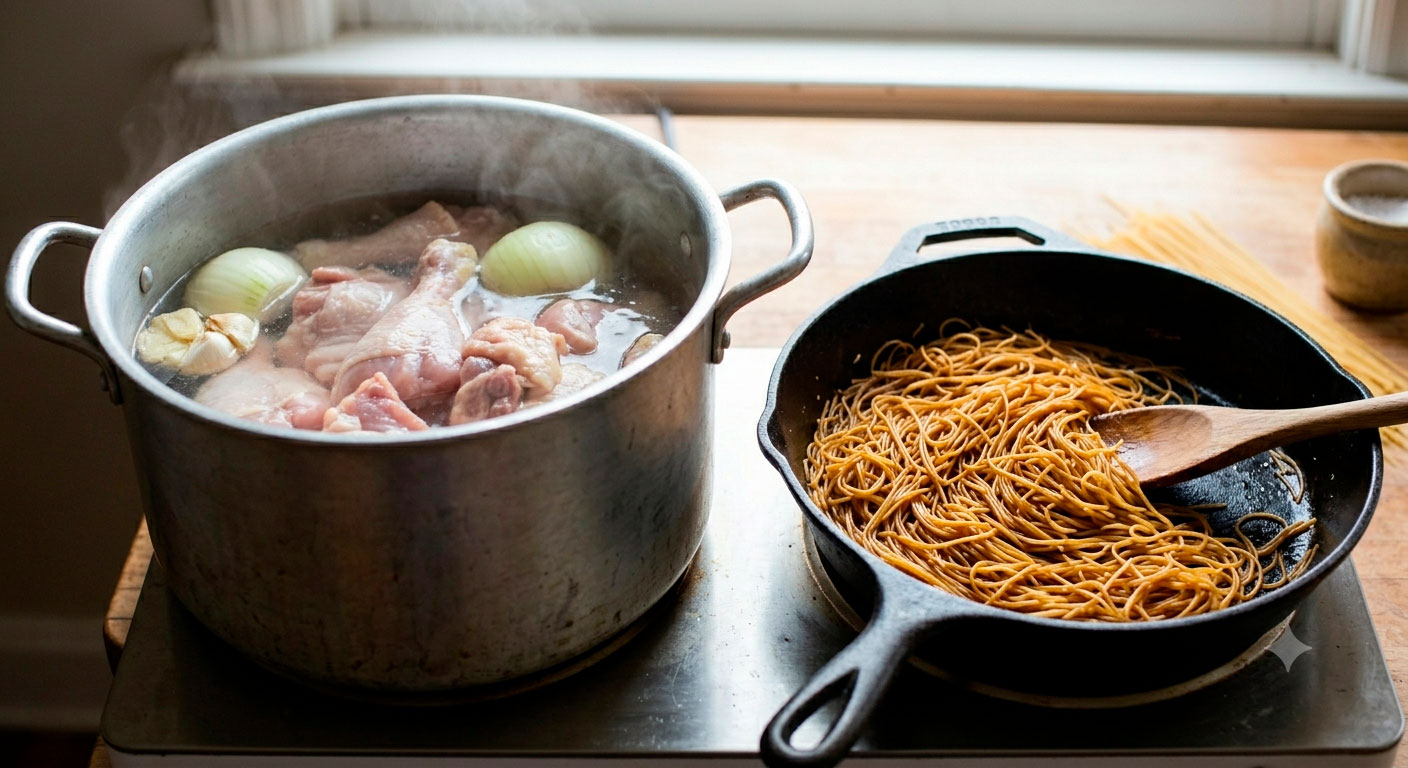
- Extract the aromatic elixir (chicken broth): Pour 2.5 liters of water into a deep pot and add the washed chicken pieces along with half an onion, one garlic clove, and a generous pinch of salt. Bring to a boil over high heat. As soon as the first bubbles appear, reduce to medium-low heat. Using a skimmer, carefully remove the grayish foam that floats on the surface — these are soluble impurities that cloud the broth. Cover and cook for 25 minutes until the meat is tender and has given all its essence to the liquid.
- The pasta’s golden seal (toasting the noodles): While the broth develops, heat the two tablespoons of vegetable oil in a wide pot over medium heat. Add the 200 g of thin noodles and stir constantly with a wooden spoon. You want the pasta to change from pale to a uniform golden hazelnut color. This process gelatinizes the outer starches, preventing the noodles from becoming pasty later. Remove from heat as soon as you achieve the desired color.
- Creating the tomato base: In a blender jar, place the three ripe tomatoes cut into quarters, the remaining half onion, the garlic clove, and half a cup of the cooking broth. Process at maximum power until you obtain a completely smooth puree. If your blender is not high-powered, strain the puree through a fine-mesh sieve to remove any remaining skin and seeds.
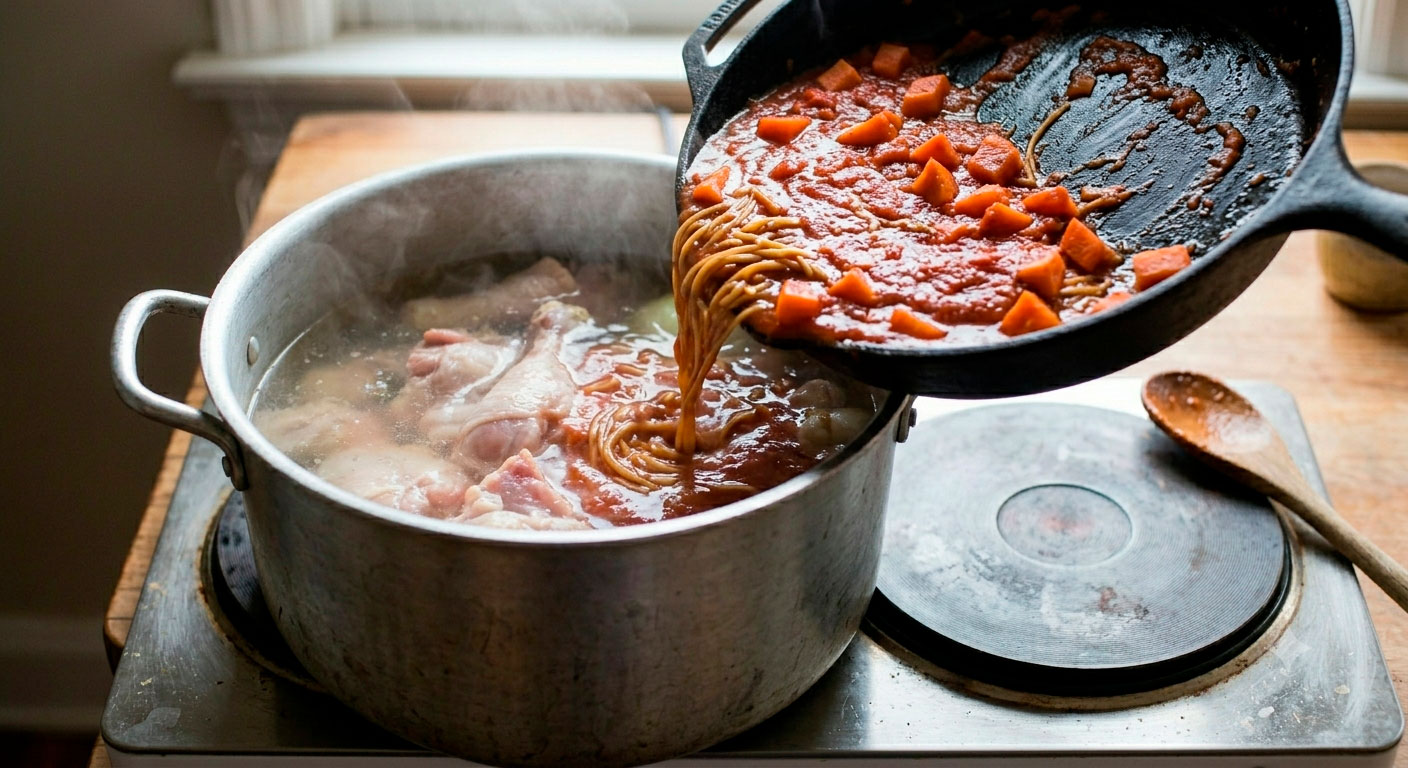
- Fusion and primary seasoning: Return the pot with the toasted noodles to medium heat and pour the tomato puree over them. Stir gently and let the tomato cook and reduce its volume by half, which will take about 5 minutes. You’ll know it’s ready when the color changes from pale pink to an intense red and the oil begins to separate slightly at the edges. Add the diced carrot at this point.
- Final simmer and rest (the irresistible key): Strain two liters of the hot chicken broth directly into the pot with the noodles and tomato. Add the chicken pieces if you wish to serve them in the soup. Add the bunch of fresh cilantro. Cover the pot and keep at a gentle simmer for 8 to 10 minutes. Thin noodles cook extremely quickly; they should be tender but still have some firmness when bitten. Turn off the heat, adjust the salt, and let rest covered for 3 minutes before bringing to the table.
Nutritional Information for Thin Noodle Soup in Chicken Broth
Approximate values per 350 ml serving (6 servings total).
| Nutrient | Per serving | % Daily Value* |
|---|---|---|
| Calories | 195 kcal | — |
| Protein | 12 g | 24% |
| Carbohydrates | 26 g | 9% |
| Total Fat | 5 g | 6% |
| Dietary Fiber | 2 g | 7% |
| Sodium | 480 mg | 21% |
*Percent based on a 2,000 kcal daily diet.
Expert Analysis: The Master Touch for Irresistible Noodle Soup
From a purely technical perspective, thin noodle soup in chicken broth is a masterful exercise in controlling densities, temperatures, and absorption phases. The most common mistake among novice cooks is adding raw noodles directly to the boiling broth, skipping the toasting step. When wheat starch comes into contact with hot water without having been previously treated, it hydrates uncontrollably and expansively, releasing large amylose chains that turn the broth into an opaque, characterless paste.
The initial toasting in oil creates a partial hydrophobic barrier on the surface of each pasta strand. This does not prevent liquid absorption — which is necessary and desirable — but rather regulates it, allowing the noodles to absorb the broth gradually and homogeneously, maintaining their individuality and offering a highly pleasant texture to the palate. The difference between a pasty noodle soup and an irresistible one is decided in those four minutes in front of the fire, stirring constantly.
Another fundamental aspect that few articles address is the thermal control of the broth during chicken extraction. If you boil the meat with aggressive bubbling, the violent movement of the water will disperse emulsified fat and suspended proteins — mainly myoglobin and sarcoplasm — creating a cloudy liquid with a milky appearance and flat flavor. Keeping the fire at a barely perceptible simmer, known in professional kitchens as “napage,” ensures that flavors are extracted cleanly and that the resulting consommé is crystal clear, fragrant, and elegant.
Regarding pairings, this soup works irresistibly accompanied by a lightly sweetened hibiscus water (agua de Jamaica), whose hibiscus acidity cleanses the palate between each spoonful. If you prefer a hot option, a cinnamon tea with piloncillo complements the earthy profile of the consommé without competing with it. For more formal occasions, a cold vegetable broth in the style of a green gazpacho can be served as an appetizer minutes before, establishing a temperature contrast that further highlights the comforting character of the noodle soup.
Tips for Preparing the Perfect and Irresistible Noodle Soup
The first tip I give to anyone about to prepare this thin noodle soup in chicken broth is to choose genuinely ripe tomatoes. A green or cold-storage-ripened tomato provides an aggressive and undesirable acidity that no subsequent trick can fully correct. The ripe tomato, on the other hand, has natural sugars that lightly caramelize during the cooking of the base, providing a subtle sweetness that balances the saltiness of the broth and makes the flavor truly irresistible. Look for tomatoes that yield slightly to thumb pressure and have a uniform, intense red color.
The second tip has to do with the exact moment to turn off the heat. Thin noodles continue to cook from the residual heat of the pot for at least two or three minutes after turning off the stove. If you wait for them to be perfectly cooked when bitten before removing them from the heat, they will be overcooked and soft when served. Remove them a point before desired — when they still offer slight central resistance when bitten — and the three-minute covered rest will finish the job perfectly.
Always use bone-in chicken pieces for the broth. The bone releases collagen and minerals during prolonged cooking, which adds body, shine, and that slightly unctuous texture to the liquid that you will never get with boneless breast. Cooked breast alone produces a watery, characterless broth; bone-in thigh, leg, or backbone are your best allies.
For storage, the secret of professional banqueting is to separate the components: store the strained broth in an airtight glass container and the noodles in another separate container, both refrigerated. When serving, heat the broth over medium heat, add the noodles and shredded chicken, adjust the salt, and bring to the table. This way, the noodle soup in chicken broth maintains its irresistible texture even the next day. If you freeze them together, upon thawing the noodles will have absorbed all the moisture and the dish will completely lose its consistency.
Finally, the citrus touch when serving is almost obligatory in Mexican tradition: a few drops of fresh lime break the surface fat of the broth and exponentially elevate the notes of tomato and chicken. Do not omit it. It is that ten-second detail that transforms a correct dish into an irresistible one.
Variations and Substitutions for Noodle Soup in Chicken Broth
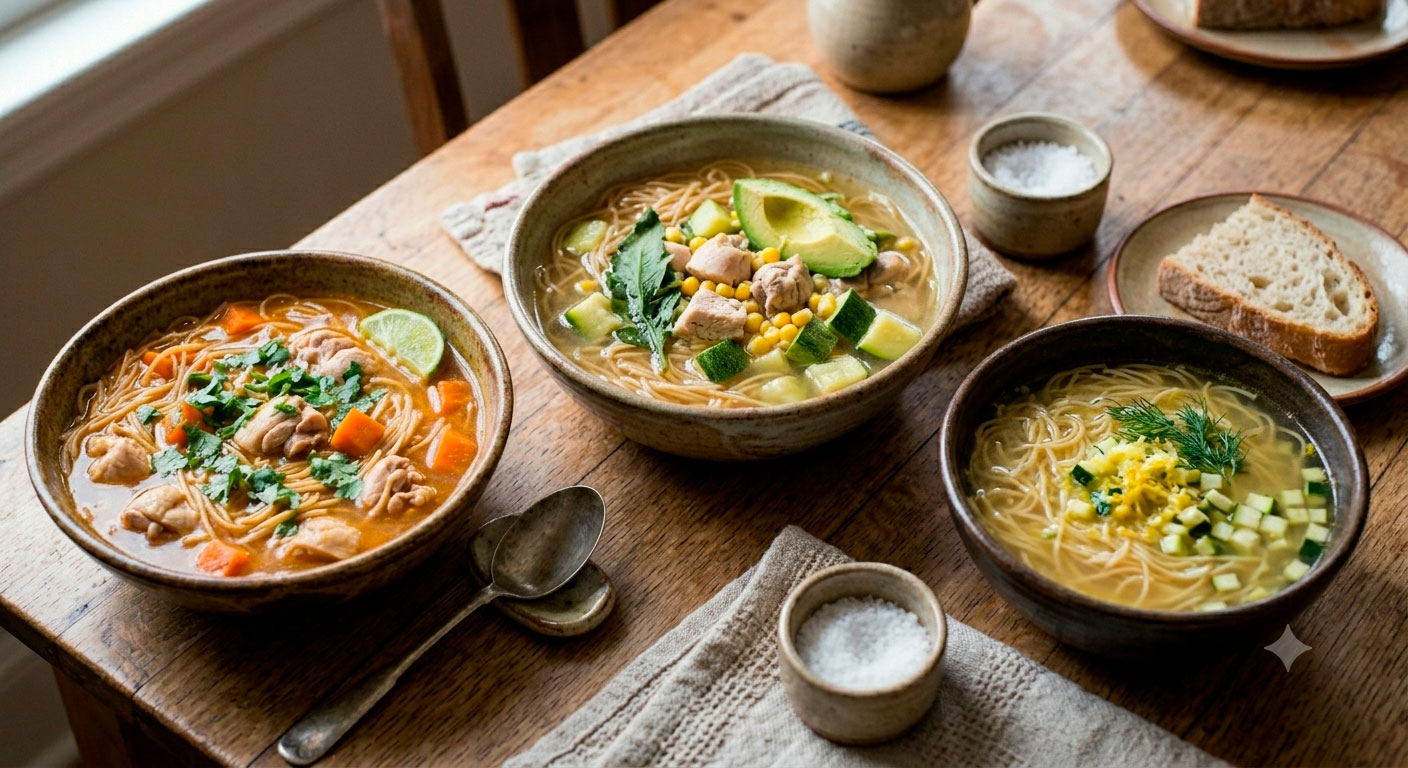
Country-style version: Add diced zucchini, fresh corn kernels, and epazote sprigs instead of cilantro to give it a completely rural and Mexican profile. Epazote provides an irresistible herbaceous bitterness that transforms the soup into a dish with deep regional character.
Mediterranean style: Omit the tomato from the broth and keep the translucent base infused with lemon zest, bay leaves, and a sprig of thyme. Serve with a drizzle of extra virgin olive oil directly over the plate. The result is a delicate and aromatic noodle soup, closer to the European style.
Vegetarian version: Substitute the chicken broth with a vegetable stock made from carrot, celery, onion, garlic, leek, and mushrooms. The noodle toasting and tomato base procedures remain identical. To reinforce the body of the broth, add a piece of kombu seaweed during cooking — a chef’s trick from ramen adapted irresistibly to fusion Mexican cuisine.
Intense flavor twist: Completely shred the chicken meat and add finely chopped chicken livers or gizzards during step four for a much more robust and intense flavor profile. This variation is a favorite in traditional markets of Jalisco.
Frequently Asked Questions about Thin Noodle Soup in Chicken Broth
Can you freeze noodle soup in chicken broth?
Yes, but with a key condition: separate the noodles from the broth before freezing. The liquid can be frozen for up to 3 months in an airtight container; freezing the pasta together with the broth will make it absorb all the moisture and lose its irresistible texture upon thawing. Thaw the broth in the refrigerator overnight and add freshly cooked noodles when serving.
How long does noodle soup last in the refrigerator?
Stored in an airtight glass container, chicken noodle soup keeps perfectly for up to 3 days in the refrigerator at 4°C or below. If you notice a sour smell, color change, or strange foam on the surface, discard it. To reheat, add a quarter cup of water or extra broth and heat over very low heat so the pasta rehydrates without drying out.
How many calories does thin noodle soup in chicken broth have?
This noodle soup recipe provides approximately 195 kcal per 350 ml serving, with 12 g of protein, 26 g of carbohydrates, and only 5 g of fat. It’s a light and balanced option, ideal for maintenance or recovery diets, as its natural chicken broth base is low in saturated fat and rich in essential minerals.
Can you make noodle soup without chicken?
Absolutely. You can substitute the chicken broth with homemade vegetable broth made from carrot, celery, onion, garlic, and aromatic herbs. A mushroom broth also works very well for a vegetarian version with body and depth of flavor. The noodle toasting and tomato base procedures remain identical, and the result is still irresistible.
How is chicken noodle soup best served?
It’s best served immediately after the 3-minute rest, in preheated deep bowls to maintain temperature. Serve with fresh lime wedges, tostadas or corn tortillas, and if desired, chopped serrano chile. A squeeze of lime when serving irresistibly enhances the flavors of the tomato and chicken consommé, and is the touch that turns every spoonful into a memorable experience.
Reference Sources and Resources
For more information on food safety and nutrition, consult WHO healthy diet guidelines.
On the nutritional value of ingredients, you can consult The Nutrition Source from Harvard T.H. Chan School of Public Health.
Food composition information available from the National Institute of Public Health of Mexico database.
Consult our liability policy and legal notice before making decisions about your diet based on this content.